
快速回答: 表面控制添加剂的选择通常取决于缺陷类型、相容性和用量范围。最有效的商业选择是能够解决实际问题而不产生新问题的产品。
DMF 是有机合成中使用最广泛的溶剂之一,也被称为通用溶剂。今天我将与大家分享一个反应案例。m-CPBA 又名间氯过氧苯甲酸,是有机化学中非常常用的一种有机氧化剂。相对来说,它是比较安全的。然而,化学领域充满了未知数。今天分享的文献中报道的一起事故与间氯过氧苯甲酸和 DMF 的混合使用有关,并与以下化学转化直接相关。
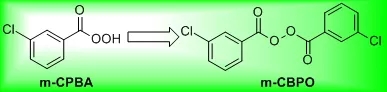
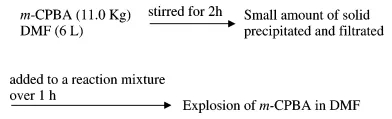
日本藤泽制药公司的合成人员利用 m-CPBA 以 DMF 为溶剂,在试验规模上将硫氧化成亚砜。合成器首先将 6.3 升 DMF 和 11.0 千克 m-CPBA 混合在一起,然后搅拌 2 小时。在系统中形成不溶物,然后过滤得到清液,再将清液加入有机反应溶液中。当滴加过程进行 1 小时后,m-CPBA 的 DMF 溶液突然上升,并释放出气体。然后突然爆炸。本文作者(Org. Proc. Res. Dev.)
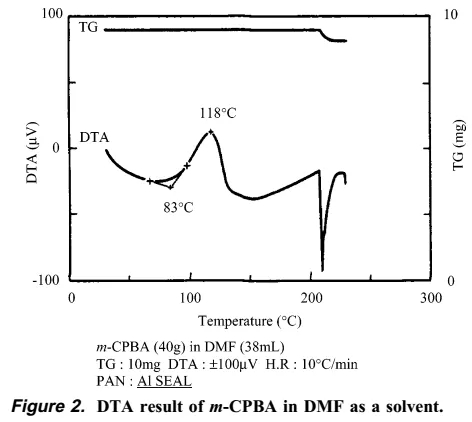
合成人员立即寻找事故和爆炸的原因。他们推测,这可能是由不溶物引起的,而不溶物正是 m-CBPO。这种不溶物可能是原料 m-CPBA 本身的杂质,也可能是在反应系统中逐渐生成的。本文作者接着进行了一系列验证实验。作者发现 m-CPBA 原料中的 m-CBPO 含量仅为 0.2%。此外,DTA 和 IST 实验证实,m-CPBA 在 89 度时熔化,在低于 97 度时稳定。作者随后对 m-CPBA 的 DMF 溶液进行了 DTA 研究,结果表明 m-CPBA 的分解温度为 83 度。上述实验表明,DMF 在很大程度上会影响 m-CPBA 的临界分解温度。因此,笔者认为 DMF 溶剂在此次事故中起了重要作用。

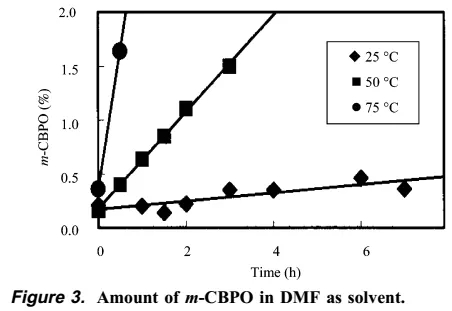
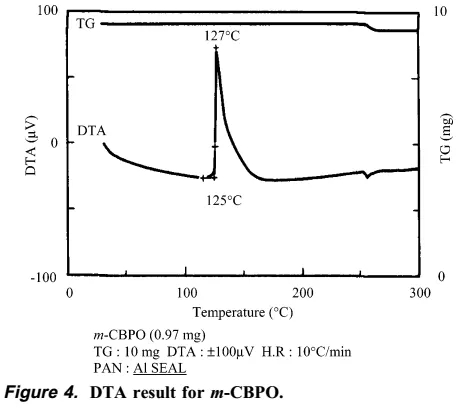
作者随后发现,随着温度的升高,间苯二酚的含量显著增加,DTA 研究表明,当温度达到 125 度以上时,可以预见会发生非常严重的爆炸。
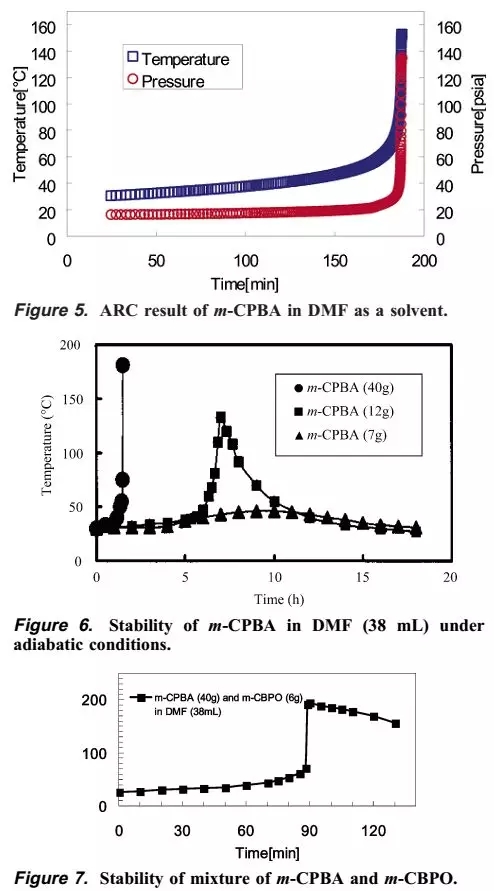
随后,作者对间-CPBA DMF 溶液进行了 ARC 研究、浓度研究以及间-CPBA 和间-CPBO 的混合稳定性研究。最后得出的结论是:间-CPBA 的 DMF 溶液从 26 度缓慢上升到 70 度需要 185 分钟,然后会在几分钟内迅速上升到 200 度左右。此外,浓度越高的 m-CPBA DMF 溶液升温越快。m-CPBA 和 m-CPBO 的混合实验表明,开始时温度上升缓慢,但仅仅 95 分钟后,温度就会急剧上升。
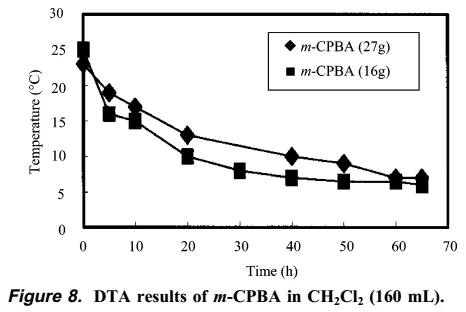
综上所述,本文作者给出了爆炸的一般过程。首先,m-CPBO 的形成导致温度升高,然后大量 m-CPBO 的形成引起高温爆炸。最终,作者使用二氯甲烷 DCM 作为溶剂成功解决了这一问题。DTA 实验表明,使用二氯甲烷作为溶剂,在一段时间内不会出现放热现象。
用几万人做实验,安全第一! 二甲基亚砜 和 DMF 都是强极性溶剂,虽然它们对有机物有很好的溶解性,但也是一把双刃剑!
买家通常如何评估涂料和油墨添加剂
添加剂的选择通常最有效的方法是团队先明确缺陷,然后筛选兼容性、剂量范围和工艺阶段。这种方法往往比仅根据化学类别或单一的显著实验室结果进行选择要可靠得多。
- 从缺陷入手,而不是从添加剂的名称入手: 即使在同一配方中,润湿损失、凹坑、微泡沫和不稳定性通常也需要不同的解决方案。
- 检查预期剂量下的兼容性: 即使是最强效的添加剂,如果过度缩小工艺窗口,也可能不是正确的商业选择。
- 查看使用阶段: 有些产品在研磨过程中最有用,而另一些产品在卸料、灌装或最终应用过程中则更为重要。
- 平衡固化或薄膜质量与缺陷控制: 合适的添加剂可以解决问题,同时又不影响附着力、光泽或外观。
推荐的产品参考
- CHLUMIAF 094: 水性涂料和许多通用消泡剂的平衡参考。
- CHLUMIAF 3062: 当印刷油墨和 UV 油墨的兼容性对消泡丝网有要求时,此功能非常有用。
- CHLUMIAF 3037: 更强大的过程消泡选项,可在更严酷的条件下持久起泡。
- CHLUMIWE 3280: 油墨、涂料和困难基材润湿的强效润湿剂参考。
买家和配方师的常见问题解答
为什么在烧杯中看起来效果显著的添加剂,在生产中却有时会失效?
因为剪切力、温度、基材和完整配方都会改变添加剂在实际工艺条件下的性能。
是否应该总是优先选择腐蚀性最强的添加剂?
通常不会。最好的添加剂是既能解决根本缺陷,又能保持最宽广安全操作范围的添加剂。