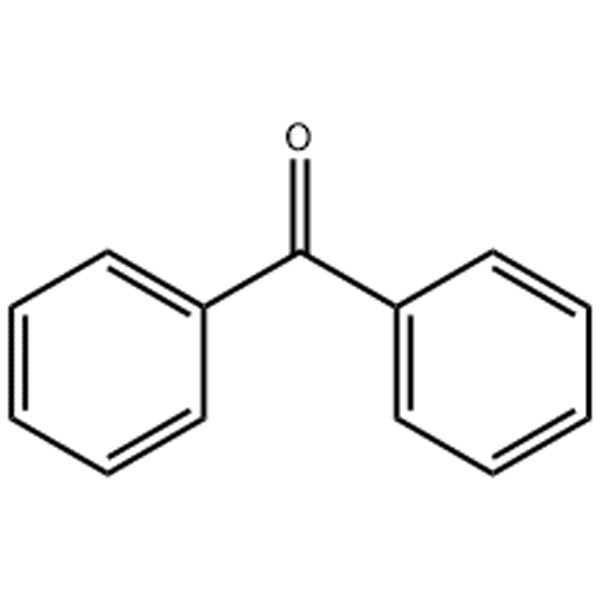
Photoinitiator BP Application scenarios
1. UV-Curable Coatings
Wood Coatings: UV topcoats and primers for surfaces like flooring, furniture, and cabinets. BP delivers fast curing, high gloss, and wear-resistant finishes.
Plastic Coatings: UV-curable coatings for plastic substrates like automotive interior parts, phone cases, and appliance housings, enhancing scratch resistance and aesthetics.
Paper Coatings: Used on magazine covers, packaging boxes, labels, etc., providing a high-gloss, water-resistant protective layer with fast curing suitable for high-speed printing lines.
Metal Coatings: UV-curable clear varnishes partially applied to metal substrates.
2. UV-Curable Inks
Offset/Letterpress/Flexographic UV Inks: Widely used in commercial printing and packaging (food packaging, cigarette packs, medicine boxes, etc.). BP’s high initiation efficiency enables instant drying, increasing printing speeds.
Screen Printing Inks: Used for posters, signage, electronic device panels, etc.
Inkjet UV Inks: Employed for industrial coding, outdoor advertising, and personalized printing. BP is blended with other initiators to suit inkjet printhead characteristics.
3. UV-Curable Adhesives
Laminating Adhesives: Used for bonding glass and plastic films (e.g., PET).
Electronic Packaging & Assembly: For chip temporary mounting, component bonding, etc.
Pressure-sensitive adhesives: Used in self-adhesive label materials, where UV irradiation partially crosslinks the adhesive layer to adjust tackiness.
4. Photopolymer Resins and Other Polymeric Materials
Dental materials: Used in dental restoration resins and pit and fissure sealants. BP is one of the commonly used initiators in early dental photopolymer materials (often combined with amine accelerators like DMAEMA).
Optical fiber coatings: Used in primary and secondary coatings to protect glass optical fibers, ensuring mechanical strength and signal transmission performance.
3D printing (photopolymerization processes like SLA/DLP): Served as a key component in early photosensitive resin formulations, initiating layer-by-layer curing of liquid resins. While replaced by low-yellowing, low-odor initiators in some high-end applications, it remains used in certain basic formulations.


Reviews
There are no reviews yet.