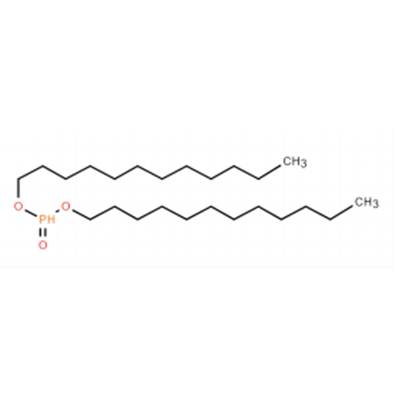
Antioxidant DLP Application scenarios
1. 폴리머 재료
Main Applications: Widely used in polypropylene (PP), polyethylene (PE), ABS resin, polyvinyl chloride (PVC), high-impact polystyrene, etc.
Usually used in synergy with phenolic primary antioxidants (such as 1010, 1076) to significantly improve the thermal and oxygen stability and weather resistance of the materials, and improve the initial color during processing.
2. Rubber and Oils
Used as an auxiliary antioxidant in natural and synthetic rubber products. Also commonly used as an antioxidant in lubricating oils, greases, soaps, and other oil-based products.
3. 식품 포장재
Due to its very low toxicity, many countries allow its use in food packaging films and other materials.
4. Food Industry (Direct Addition)
In the Chinese National Standard GB 2760, it is permitted as a food antioxidant for the anti-oxidation of oily foods and edible oils, and for the preservation of fruits and vegetables, with a maximum usage of 0.2 g/kg.
Key Characteristics and Usage Recommendations
시너지 효과: It is an auxiliary antioxidant, primarily functioning to decompose hydroperoxides produced during the oxidation of polymer materials. Its effect is limited when used alone, but when used in combination with phenolic primary antioxidants or UV absorbers, it produces a significant “1+1>2” synergistic effect, greatly improving overall antioxidant performance.
Product Advantages: It is non-coloring and non-polluting, suitable for white or brightly colored products. It also has good thermal stability.
Dosage Reference: The general addition amount in plastics is 0.05% to 0.5% (by weight). Specifically for polyolefins, the recommended dosage is 0.05%-0.2%.