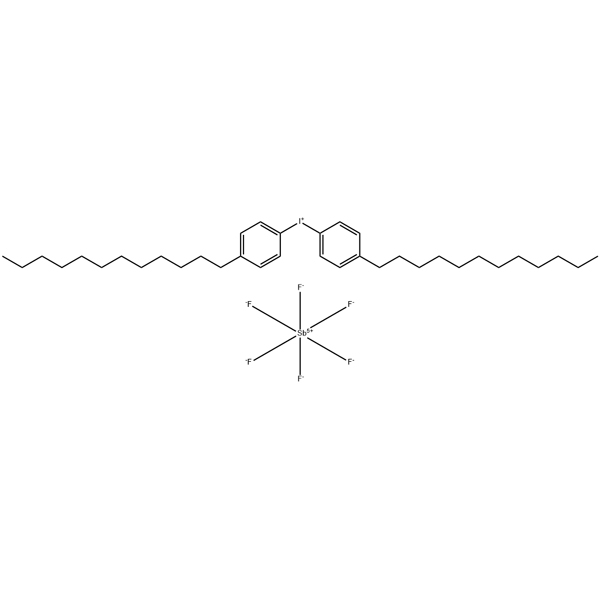
Photoinitiator 937 Application scenarios
1. 3D Printing
Used in photopolymerization 3D printing technology, particularly for resin systems requiring cationic curing (such as epoxy resins). It provides stable polymerization reactions, enhancing print precision and mechanical properties.
2. Industrial Coatings
Suitable for surface coatings on substrates like metals and plastics. Its deep curing capability makes it ideal for thick or colored coatings.
3. Composites
Used in the impregnation and curing processes of composite materials like fiberglass and carbon fiber. Enables rapid curing, boosting production efficiency.
💡 Technical Characteristics and Usage Notes
Spectral Characteristics and Light Source Compatibility:
Its peak absorption wavelength is around 230 nanometers. While exhibiting weak absorption of long-wave UV and visible light, it can be effectively used with LED curing light sources and conventional UV mercury lamp systems when paired with sensitizers like thionones.
Performance in Colored Systems:
This initiator is labeled as suitable for colored systems, meaning it can partially overcome pigment shielding of UV light to achieve thorough curing within the coating.
Typical Dosage:
The recommended addition rate in product formulations is typically 0.5% to 5% (by weight). Specific dosage requires adjustment based on the resin system, coating thickness, and curing conditions.
Solubility and Formulation:
Commercially available SpeedCure 937 is typically pre-dissolved in reactive diluents such as glycidyl ether to enhance its solubility and ease of use in formulations.



Reviews
There are no reviews yet.