
什么是生物基增塑剂,我们的 CHLUMIFLEX® BBP 有哪些优势?
快速回答: 对于增塑剂而言,买家通常会综合考虑其柔韧性、迁移行为、加工适用性和合规性,因为食品接触材料、柔性塑料和一般工业产品的最终用途要求可能大相径庭。
增塑剂可使 PVC 材料柔软且易于加工,在塑料生产中得到广泛应用。邻苯二甲酸酯类增塑剂占整个增塑剂市场的 85%。考虑到毒性,邻苯二甲酸酯增塑剂的应用受到限制,生物基增塑剂行业已开始布局该市场。
作为一种能软化塑料等材料的化学物质,增塑剂广泛存在于玩具、食品包装材料、指甲油、洗发水、医疗器械甚至食品中,但有些增塑剂可能会造成组织损伤。癌症、扰乱人体内分泌等。因此,对人体无毒、对环境无污染的生物基增塑剂应时而生,成为替代传统增塑剂的理想选择。
生物基增塑剂来源稳定,价格优势和稳定性比传统增塑剂更为突出、
近年来,越来越多的制造商开始在市场上应用生物基增塑剂。我们在生物基增塑剂领域也取得了阶段性的进展和突破,得到了聚氨酯和手套客户的广泛认可。
CHLUMIFLEX BBP 信息
简介
在现有的所有聚氯乙烯增塑剂中,CHLUMIFLEX® BBP 的物理性质最接近 DOTP。
CHLUMIFLEX® BBP 可用于 PVC 地板、电缆和电线、薄膜等。
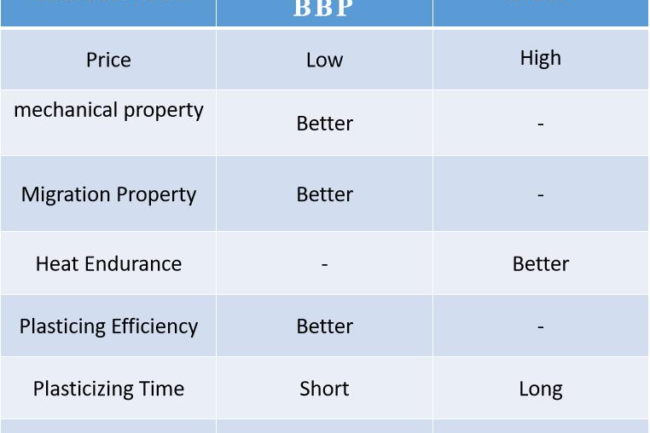
CHLUMIFLEX® BBP 在塑化效率、机械性能、迁移性能和混合时间方面都有更好的表现。 它是 DOTP 的最佳替代品。
优势
与 DOTP 和 DINCH 的比较
CHLUMIFLEX® BBP 的塑化速度约为 DOTP 或 DINCH 的 2 倍。 使用 CHLUMIFLEX® BBP 可以节约能源,提高生产效率。
用 CHLUMIFLEX® BBP 取代 100% 的 DOTP 或 DINCH 可达到相同的塑化效果,无需调整配方或生产线。
使用 CHLUMIFLEX® BBP 可以提高最终产品的透光率和雾度。
CHLUMIFLEX® BBP 与 DOTP 具有相同的抗迁移性。
CHLUMIFLEX® BBP 的机械性能优于 DOTP。
产品指标
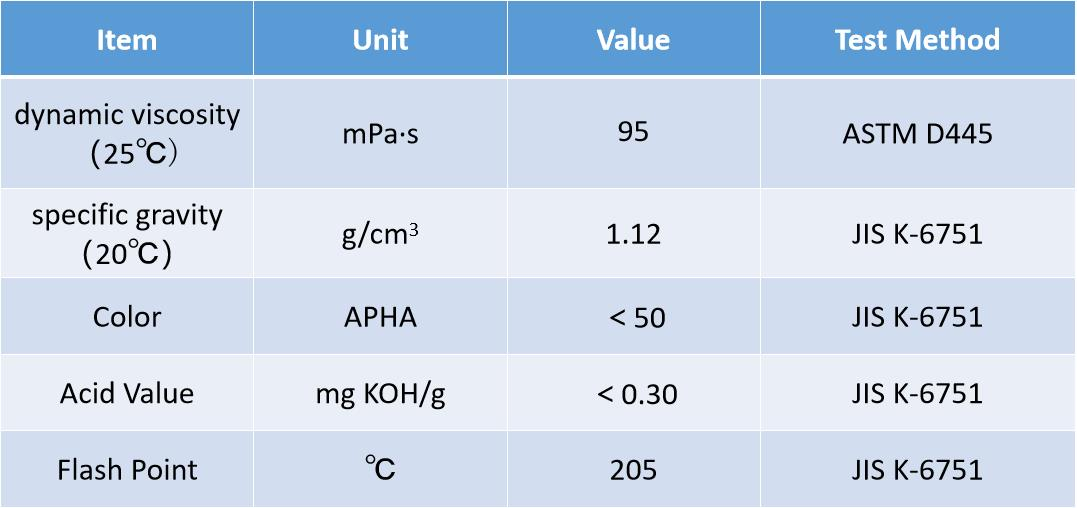
各种产品应用指标 DOTP 和 DINCH 的横向比较
- 高级环保增塑剂
- 第 1907/2006 号条例(EC)
- SGS 的抗菌测试
- 原材料的可持续性
- 原材料来自植物油,无毒、无苯、可生物降解。
- 突出的实物
-比 DOTP 更好的迁移特性。
-塑化能力比 DOTP 更强。
-价格更低(目前 CHLUMIFLEX® BBP 比 DOTP 低 400~500 元/吨,以一家工厂每月消耗 600 吨计算,每年可节省 240 万元)。
结论
与 DOTP 相比,CHLUMIFLEX® BBP 具有更好的迁移特性。
它在印花 PVC 和复合地板方面有很大的应用空间。
拉伸强度测试
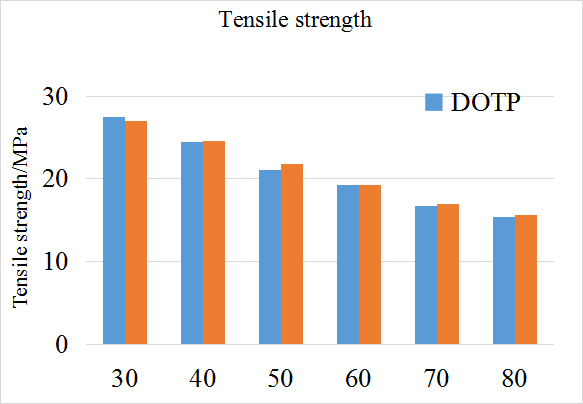
结论
拉伸强度是塑料机械性能的一个重要指标
样品受到外力(拉伸载荷)作用,直至达到断裂前的最大拉伸力为止
CHLUMIFLEX® BBP 的拉伸强度与 DOTP 几乎相同。 用 CHLUMIFLEX® BBP 替代 DOTP 不会影响最终产品的韧性。 塑化效率相同(以拉伸强度评估)
买家通常如何评价增塑剂和柔韧性改性剂
如果在价格谈判前先审查最终用途、迁移限量和加工路线,增塑剂采购通常会更加顺利。这通常能更清楚地判断邻苯二甲酸酯、对苯二甲酸酯或柠檬酸酯哪种路线在商业上最具优势。
- 从最终用途需求入手: 食品接触塑料、玩具塑料、医疗塑料和一般工业塑料需要不同的筛选优先级。
- 审查移民和永久居留问题: 如果应用对提取、波动或长期损失敏感,那么仅仅具备灵活性是不够的。
- 检查流程适用性: 相容性、粘度效应和热稳定性通常决定增塑剂是否易于规模化生产。
推荐的产品参考
- CHLUMIFLEX ATBC: 一份关于非邻苯二甲酸酯类增塑剂的实用参考资料,适用于食品接触和合规性敏感的讨论。
- CHLUMIFLEX DOTP: 在平衡加工性能、迁移特性和合规性需求时,对苯二甲酸酯增塑剂是一种常见的基准。
- CHLUMIFLEX 舒张压: 在回顾历史配方路线或替代选择时,这是一个传统的增塑剂比较点。
买家和配方师的常见问题解答
为什么成本较低的增塑剂并不总是更好的采购选择?
因为合规性、迁移特性和流程稳定性可以很快抵消单价差异。
增塑剂的选择是否应该仅基于柔韧性?
通常情况下不行。最佳选择还需要符合迁移预期、散热性能和实际最终用途标准。