
在合成实验中必须了解的 20 种有机反应机理
Quick answer: A practical wastewater-treatment decision starts with defining the failure mode, then checks pH, COD, ammonia, sludge condition, and process interaction before changing chemistry or operation.
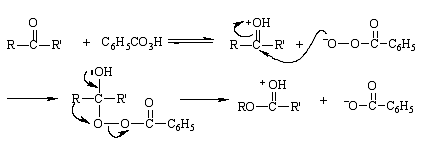
Baeyer-Villiger 反应的反应机理是过酸首先与羰基发生亲核加成反应,然后酮羰基上的一个烃基带着一对电子迁移到-O-O-基团中与羰基碳原子直接相连的氧原子上,同时发生 O-O 键异解。因此,这是一个重排反应
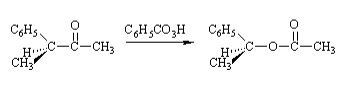
具有光学活性的 3-苯基丁酮与过酸发生反应,重排产物中手性碳原子的浆果保持不变,这表明该反应是分子内重排。
当不对称酮被氧化时,两个基团都可以在重排步骤中迁移,但仍有一定的选择性,迁移能力的顺序如下。

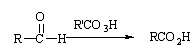
醛氧化的机理类似,但迁移的是氢负离子,生成的是羧酸。
How technical buyers and operators usually evaluate wastewater-treatment issues
Most wastewater-treatment problems are system problems. Teams usually get a better result when they define the process stage and water-quality target first, then review biological, chemical, and operational factors together before making a plant-scale correction.
- Start from the process stage: pretreatment, biological treatment, sludge handling, and polishing steps can point to very different root causes.
- Check the core water-quality data together: pH, COD, nitrogen, salinity, sludge condition, and dissolved oxygen often need to be read as one picture.
- Review compliance and operability at the same time: the quickest local fix can still be the wrong commercial move if it destabilizes another part of the plant.
- Use pilot or staged validation where possible: wastewater systems often respond differently at scale than they do in simplified bench assumptions.
FAQ for buyers and formulators
Why do many wastewater problems resist one-step fixes?
Because the visible symptom is often created by several interacting process variables rather than one isolated cause.
Should operational changes be evaluated only by one output indicator?
Usually no. A stable treatment decision should consider process balance, compliance, sludge behavior, and the effect on downstream steps as well.


