
Sentetik deneyler için anlaşılması gereken 20 organik reaksiyon mekanizması
Hızlı cevap: Pratik bir atık su arıtma kararı, öncelikle arıza modunu tanımlamakla başlar, ardından kimyasal bileşimi veya işletme yöntemini değiştirmeden önce pH, KOİ, amonyak, çamur durumu ve proses etkileşimini kontrol eder.
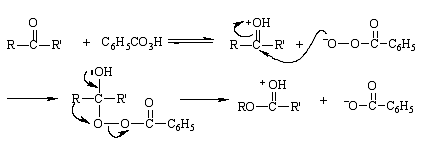
Baeyer-Villiger reaksiyonu reaksiyon mekanizması perasit önce karbonil grubuna nükleofilik katılmaya uğrar ve daha sonra keton karbonil grubu üzerindeki bir hidrokarbon grubu bir çift elektronla -O-O- grubundaki karbonil karbon atomuna doğrudan bağlı oksijen atomuna göç ederken O-O bağı heterolizi meydana gelir. Dolayısıyla, bu bir yeniden düzenleme reaksiyonudur
Optik olarak aktif bir 3-fenilbütanonun perasit ile reaksiyonu, yeniden düzenleme ürünlerinin kiral karbon atomlarının meyvelerinin değişmeden kaldığı durumlarda, reaksiyonun molekül içi bir yeniden düzenleme olduğunu gösterir.
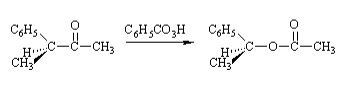
Asimetrik bir keton oksitlendiğinde, her iki grup da yeniden düzenleme adımında göç edebilir, ancak göç etme yetenekleri sırasına göre aşağıdaki gibi hala bir miktar seçicilik vardır.

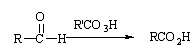
Aldehit oksidasyon mekanizması benzerdir, ancak karboksilik asidi vermek için hidrojen negatif iyonlarının göçü söz konusudur.
Teknik alıcılar ve işletmeciler atık su arıtma konularını genellikle nasıl değerlendirir?
Atıksu arıtma sorunlarının çoğu sistem sorunlarıdır. Ekipler genellikle önce proses aşamasını ve su kalitesi hedefini tanımladıktan sonra, tesis ölçeğinde bir düzeltme yapmadan önce biyolojik, kimyasal ve operasyonel faktörleri birlikte gözden geçirdiklerinde daha iyi sonuç alırlar.
- Süreç aşamasından başlayalım: Ön arıtma, biyolojik arıtma, çamur işleme ve son işlem adımları, çok farklı temel nedenlere işaret edebilir.
- Su kalitesine ilişkin temel verileri birlikte kontrol edin: pH, KOİ, azot, tuzluluk, çamur durumu ve çözünmüş oksijen genellikle tek bir bütün olarak değerlendirilmelidir.
- Uyumluluğu ve çalışabilirliği aynı anda gözden geçirin: En hızlı yerel çözüm bile, tesisin başka bir bölümünü istikrarsızlaştırırsa, yanlış ticari hamle olabilir.
- Mümkün olan yerlerde pilot veya aşamalı doğrulama yöntemlerini kullanın: Atıksu arıtma sistemleri, basitleştirilmiş laboratuvar varsayımlarına kıyasla, büyük ölçekte genellikle farklı tepkiler verir.
Alıcılar ve formülatörler için SSS
Atıksu sorunlarının birçoğu neden tek adımda çözülebilecek çözümlere direnç gösteriyor?
Çünkü gözle görülür semptom genellikle tek bir nedenden ziyade, birbiriyle etkileşim halinde olan çeşitli süreç değişkenleri tarafından oluşturulur.
Operasyonel değişiklikler yalnızca tek bir çıktı göstergesiyle mi değerlendirilmelidir?
Genellikle hayır. İstikrarlı bir arıtma kararı, proses dengesini, uyumluluğu, çamur davranışını ve sonraki aşamalara olan etkisini de dikkate almalıdır.