
20 organische reactiemechanismen die essentieel zijn om te begrijpen voor synthetische experimenten
Snel antwoord: A practical wastewater-treatment decision starts with defining the failure mode, then checks pH, COD, ammonia, sludge condition, and process interaction before changing chemistry or operation.
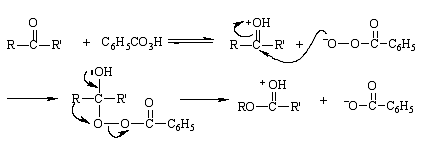
Het Baeyer-Villiger reactiemechanisme perzuur ondergaat eerst nucleofiele additie aan de carbonylgroep, en dan migreert een koolwaterstofgroep op de ketoncarbonylgroep met een elektronenpaar naar het zuurstofatoom dat direct aan het carbonylkoolstofatoom in de -O-O- groep is gekoppeld, terwijl O-O-bond heterolyse optreedt. Dit is dus een herschikkingsreactie
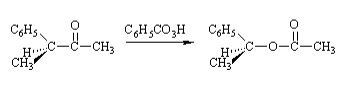
De reactie van een optisch actief 3-fenylbutanon met perzuur, waarbij de bessen van de chirale koolstofatomen van de herschikkingsproducten onveranderd blijven, geeft aan dat de reactie een intramoleculaire herschikking is.
Wanneer een asymmetrisch keton wordt geoxideerd, kunnen beide groepen migreren in de herschikkingsstap, maar er is nog steeds enige selectiviteit, in de volgorde van hun vermogen om te migreren als volgt.

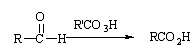
Het mechanisme van aldehyde-oxidatie is vergelijkbaar, maar de migratie is van negatieve waterstofionen om het carbonzuur te geven.
Hoe technische kopers en exploitanten doorgaans afvalwaterzuiveringsvraagstukken beoordelen
De meeste problemen bij afvalwaterzuivering zijn systeemproblemen. Teams behalen doorgaans betere resultaten wanneer ze eerst de procesfase en de waterkwaliteitsdoelstelling definiëren, vervolgens de biologische, chemische en operationele factoren gezamenlijk beoordelen en daarna pas een correctie op installatieniveau doorvoeren.
- Begin bij de procesfase: Voorbehandeling, biologische behandeling, slibverwerking en nabewerking kunnen wijzen op zeer verschillende oorzaken.
- Bekijk samen de belangrijkste gegevens over de waterkwaliteit: pH, COD, stikstof, zoutgehalte, slibconditie en opgeloste zuurstof moeten vaak als één geheel worden beschouwd.
- Controleer tegelijkertijd de naleving en de werking: De snelste lokale oplossing kan nog steeds een verkeerde commerciële zet zijn als deze een ander deel van de fabriek destabiliseert.
- Gebruik waar mogelijk een pilot- of gefaseerde validatie: Afvalwatersystemen reageren op grotere schaal vaak anders dan in vereenvoudigde laboratoriumsimulaties.
Veelgestelde Vragen voor kopers en formuleringsdeskundigen
Waarom zijn veel afvalwaterproblemen niet met één simpele oplossing op te lossen?
Omdat het zichtbare symptoom vaak het gevolg is van meerdere op elkaar inwerkende procesvariabelen in plaats van één geïsoleerde oorzaak.
Moeten operationele veranderingen alleen aan de hand van één outputindicator worden beoordeeld?
Meestal niet. Bij een stabiele behandelingsbeslissing moet rekening worden gehouden met procesbalans, naleving van regelgeving, slibgedrag en het effect op de daaropvolgende stappen.