
20 organische Reaktionsmechanismen, die man für synthetische Experimente unbedingt verstehen muss
Schnelle Antwort: A practical wastewater-treatment decision starts with defining the failure mode, then checks pH, COD, ammonia, sludge condition, and process interaction before changing chemistry or operation.
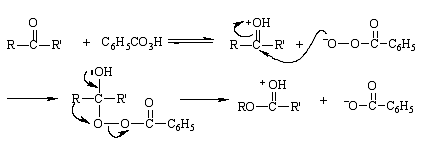
Der Reaktionsmechanismus der Baeyer-Villiger-Reaktion besteht darin, dass die Persäure zunächst eine nukleophile Addition an die Carbonylgruppe durchführt und dann eine Kohlenwasserstoffgruppe an der Ketoncarbonylgruppe mit einem Elektronenpaar zu dem Sauerstoffatom wandert, das direkt an das Carbonylkohlenstoffatom in der -O-O-Gruppe gebunden ist, wobei eine Heterolyse der O-O-Bindung stattfindet. Es handelt sich also um eine Umlagerungsreaktion
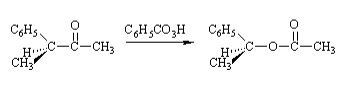
Die Reaktion eines optisch aktiven 3-Phenylbutanons mit Persäure, bei der die Bezeichnungen der chiralen Kohlenstoffatome der Umlagerungsprodukte unverändert bleiben, weist darauf hin, dass es sich um eine intramolekulare Umlagerung handelt.
Bei der Oxidation eines asymmetrischen Ketons können beide Gruppen in der Umlagerungsstufe wandern, aber es besteht immer noch eine gewisse Selektivität, und zwar in der Reihenfolge ihrer Wanderungsfähigkeit wie folgt.

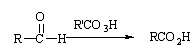
Der Mechanismus der Aldehydoxidation ist ähnlich, aber die Migration erfolgt durch negative Wasserstoffionen, die die Carbonsäure ergeben.
Wie technische Einkäufer und Betreiber üblicherweise Abwasserbehandlungsprobleme bewerten
Die meisten Probleme bei der Abwasserreinigung sind Systemprobleme. Teams erzielen in der Regel bessere Ergebnisse, wenn sie zuerst die Prozessstufe und das Wasserqualitätsziel definieren und dann biologische, chemische und betriebliche Faktoren gemeinsam überprüfen, bevor sie eine anlagenweite Korrektur vornehmen.
- Beginnen Sie ab der Prozessstufe: Vorbehandlung, biologische Behandlung, Schlammbehandlung und Nachreinigung können auf sehr unterschiedliche Ursachen hinweisen.
- Überprüfen Sie gemeinsam die wichtigsten Wasserqualitätsdaten: pH, CSB, Stickstoff, Salzgehalt, Schlammbeschaffenheit und gelöster Sauerstoff müssen oft als ein Gesamtbild betrachtet werden.
- Prüfen Sie gleichzeitig Konformität und Bedienbarkeit: Die schnellste lokale Lösung kann immer noch der falsche kommerzielle Schritt sein, wenn sie einen anderen Teil der Anlage destabilisiert.
- Verwenden Sie, wo immer möglich, eine Pilot- oder gestaffelte Validierung: Abwassersysteme reagieren oft unterschiedlich in großem Maßstab als in vereinfachten Laborannahmen.
Häufig gestellte Fragen für Käufer und Formulierer
Warum sind viele Abwasserprobleme resistent gegen Einheitslösungen?
Weil das sichtbare Symptom oft durch mehrere interagierende Prozessvariablen anstatt durch eine einzelne, isolierte Ursache verursacht wird.
Sollten operative Änderungen nur anhand eines Ergebnisindikators bewertet werden?
Normalerweise nicht. Eine stabile Behandlungsentscheidung sollte auch die Prozessbilanz, die Einhaltung von Vorschriften, das Schlammverhalten und die Auswirkungen auf nachgeschaltete Schritte berücksichtigen.