T-9 / Stannous Octoate CAS 301-10-0

Product Name: Stannous octoate

CAS NO.: 301-10-0

Chemical name: Tin bis(2-ethylhexanoate);Bis(2-ethylhexanoate)tin

Synonym: Stannous Hexanoate;Stannous octoate;Niax D-19;FASCAT 2003 CATALYST;Metatin(TM) Catalyst S-26

Formula: C16H30O4Sn

MW: 405.12

Stannous Octoate Application scenarios

1. Polyurethane Industry

As a key catalyst in the production of polyurethane foam, it primarily promotes the “gelation reaction” (i.e., the chain growth reaction of isocyanate and polyol) during the foaming process.

2. Other Polymer Synthesis

Used as a catalyst in the synthesis of various polymer materials, such as polylactic acid (PLA) and its copolymers, polycaprolactone (PCL), polycarbonate, polyamide, and polyester.

3. Biomedical Materials

Applied in the field of biodegradable medical materials, such as catalyzing the synthesis of polycaprolactone scaffolds for bone tissue engineering, polymer nanoparticles for drug delivery, and absorbable materials such as surgical sutures.

4. Environment and Recycling

Used as a catalyst in the chemical recycling of waste polyurethane foam to recover and reuse the polyols.

5. Electrochemistry and Nanotechnology

Used as a precursor or additive in the preparation of electrode materials for lithium-ion/sodium-ion batteries (such as SnO2/graphene composites) and in the synthesis of copper zinc tin sulfide (CZTS) nanocrystals.

6. Silicone Rubber and Coatings

Used as a curing agent for silicone rubber, and as a catalyst in coating and adhesive systems.
Description

T-9 / Stannous Octoate CAS 301-10-0

Item Specification
Appearance Light yellow liquid
Tin content ≥28.0%
Stannous content 27.25-29%
Color Gardner ≤3.0
Viscosity, mPa.s ≤360


T-9 / Stannous Octoate Application:

T-9 is the basic catalyst for the production of polyurethane foam, mainly used for the gelation reaction of polyether-polyurethane foaming,also be used as antioxidant for urethane foam.


T-9 / Stannous Octoate Packing:

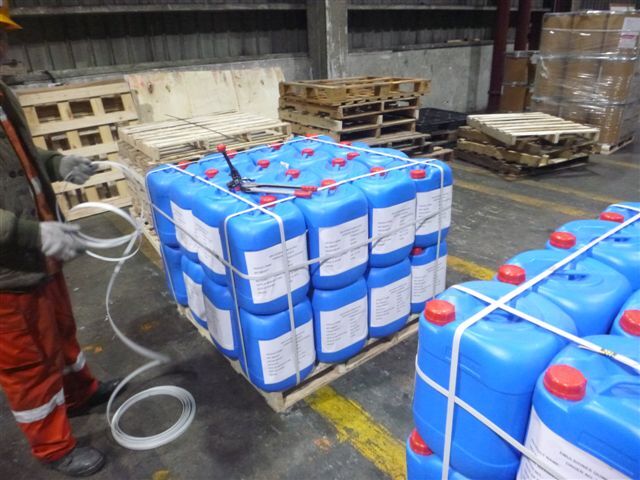
25kg or 200kgs/Drum


T-9 / Stannous Octoate Storage:

When transporting Catalyst T-9, it should be protected from rain and staining, and stored carefully and gently to prevent leakage from collision with hard objects. When storing Catalyst T-9, it should be stored at room temperature in a ventilated and dry warehouse, avoiding humid environments, and stored at a temperature below 25°C, away from sunlight, water and heat sources. To prevent moisture absorption and oxidation, it is recommended that the container be filled with nitrogen.


What are the differences between hard and soft foam reactions of polyurethane catalysts?

There are some differences between hard and soft foam of polyurethane foam in the selection and use of catalyst:

1, catalyst selection
Hard foam:
Commonly used catalysts include organotin compounds such as organostannates and organotin esters. These catalysts help to promote the polymerisation reaction of polyurethane and produce a harder foam structure.
Soft foam:
Commonly used catalysts also include organostannic compounds, but may be more selective and in some cases more types of organostannic compounds may be used. These catalysts help to control the rate of polymerisation reaction of the polyurethane to produce a soft, more flexible foam structure.

2, Reaction rate and hardness control
Hard Foam:
The choice and amount of catalyst leads to an increase in the polymerisation reaction rate, which produces a faster rate of polymerisation, allowing the foam to cure more quickly after formation, resulting in a harder foam structure.
Soft Foam:
Catalyst selection and dosage focus more on controlling the polymerisation reaction rate in order to maintain a certain degree of ductility and elasticity during foam formation, producing a soft, flexible foam structure.

3, Additive formulation
Rigid Foam:
In the preparation of hard foam, in addition to the catalyst, fillers and thickeners may be added to adjust the density and hardness of the foam.
Soft foam:
In order to obtain soft and comfortable foam, more surfactants, softeners, etc. may be added to adjust the softness and elasticity of the foam.

Overall, the selection of catalysts and formulations for rigid and soft foams will differ in the pursuit of different properties, with the aim of regulating the hardness, softness and other characteristics of polyurethane foams to meet the needs of different application scenarios.

Contact US

English