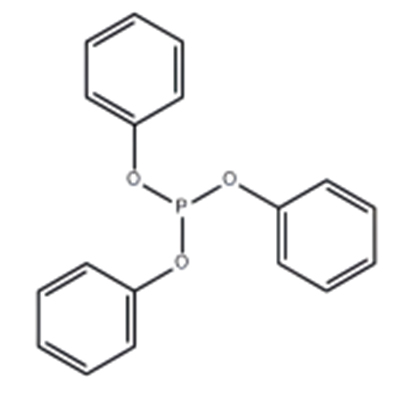
Antioxidant TPP Application scenarios
1. As an auxiliary antioxidant and stabilizer for polymers
This is its core application. It is typically used in conjunction with primary antioxidants to delay material aging, discoloration, and performance degradation by decomposing peroxides generated during polymer processing or use.
Applicable plastics are wide-ranging: including polyvinyl chloride (PVC), polypropylene (PP), polyethylene (PE), polystyrene (PS), ABS resin, polyesters (such as PET, PBT), epoxy resins, etc.
Function: In addition to providing thermal and oxygen stability, it also enhances the light stability of products, helping to maintain the original properties of the material.
2. As a chelating agent in polyvinyl chloride (PVC) products
Triphenyl phosphite plays a unique and important role in PVC processing.
Mechanism of action: It reacts with metal chlorides, a byproduct of PVC heat stabilizers (such as metal salt stabilizers), to form complexes.
Effects: This reduces the catalytic degradation of PVC by metal chlorides, significantly improves the thermal stability of PVC, and helps maintain the transparency of products while inhibiting yellowing.
Applications: Commonly used in PVC cable materials, door and window profiles, sheets, and films (such as agricultural films and mulch films).
3. As a Chemical Intermediate: Triphenyl phosphite is also a useful chemical raw material.
Used in the synthesis of other chemicals: For example, it is a raw material for the production of trimethyl phosphite (an important pesticide intermediate).
Other applications: It is also used as a raw material for the synthesis of alkyd resins, certain flame retardants, and pesticide intermediates.
Basic Product Information and Safety: Basic Properties: Usually a colorless to pale yellow transparent liquid with a pungent odor, insoluble in water, readily soluble in organic solvents.
Safety and Storage: This chemical is irritating to eyes and skin and harmful to the environment. Store in a cool, dry place, away from direct sunlight and moisture, as moisture may cause hydrolysis.
How to Select and Procure Products
When choosing triphenyl phosphite in practical applications, you can consider the following aspects:
Clarify your primary needs: Determine whether your core purpose is for antioxidant properties (for PP, PE, etc.), auxiliary stabilization and improved transparency (for PVC), or as a chemically synthesized raw material.
Pay attention to product specifications: Pay attention to the purity (e.g., 98%, 99%) and impurity content provided by the supplier, as this directly affects its application effect in high-end or transparent products.