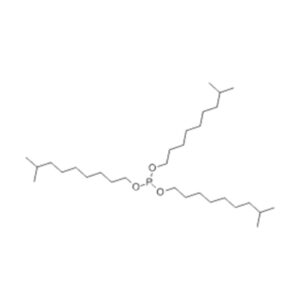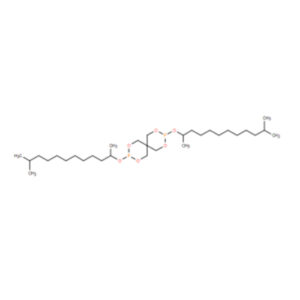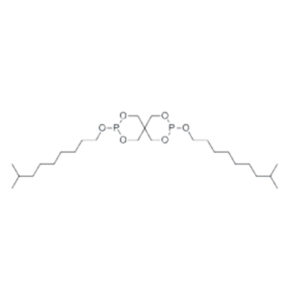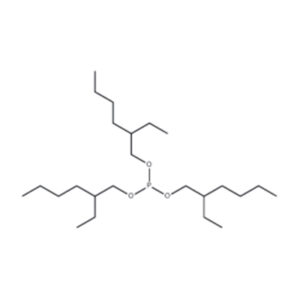
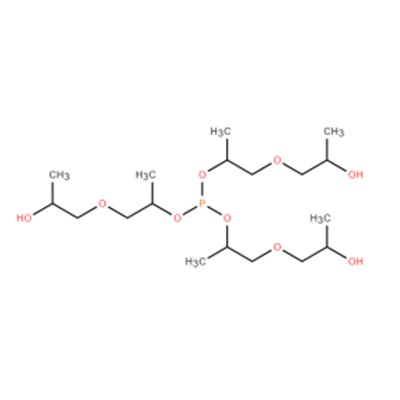
Antioxidant 430 Application scenarios
1. General-purpose and Engineering Plastics
In the processing of materials such as polypropylene (PP), polyethylene (PE), ABS resin, and polycarbonate (PC) alloys, it is compounded with primary antioxidants to provide thermal stability protection.
2. Synthetic Rubber and Elastomers
Used in the compounding and processing of rubber compounds such as styrene-butadiene rubber (SBR), butadiene rubber (BR), and ethylene propylene diene monomer (EPDM) to prevent “self-curing” or plastic changes.
3. Adhesives and Coatings
Added to polymer-based adhesives, sealants, and coatings to prevent deterioration due to oxidation during manufacturing or storage.
4. Polyurethane Industry
Sometimes used as an auxiliary antioxidant and stabilizer in the production of polyurethane foams or elastomers.
⚙️ Key Usage Characteristics
Synergistic compounding: It is rarely used alone. It is usually compounded with hindered phenolic antioxidants (such as antioxidants 1010, 1076, 1135, etc.) to form a classic “phenol + phosphite” combination, achieving comprehensive protection from processing to long-term thermal aging.
Prevention of yellowing: For materials prone to discoloration such as polypropylene and ABS, its effect in preventing processing yellowing is particularly outstanding.
Liquid form: These phosphite products are usually liquids, making them easy to meter and mix in polymer material production, and ensuring uniform dispersion.