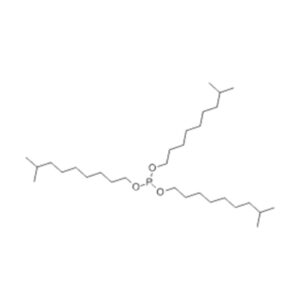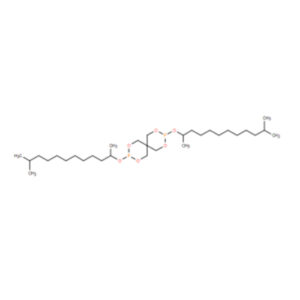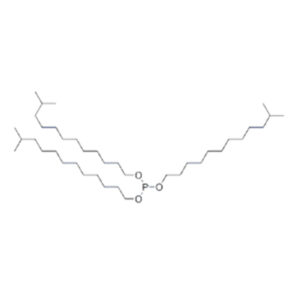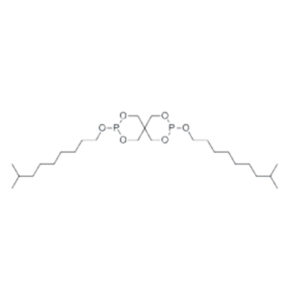
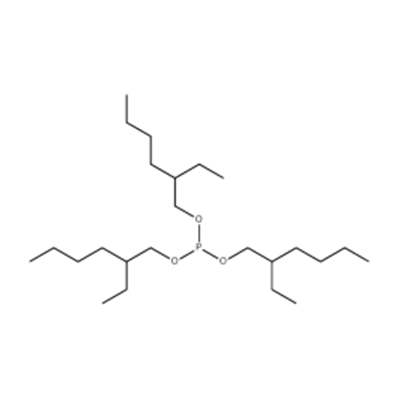
Antioxidant TOP Application scenarios
1. Polypropylene (PP)
· Automotive Parts: Bumpers, interior panels, air conditioning system components.
· Appliance Housings: Washing machine inner drums, air conditioner fans, iron stands.
· Everyday Products: Food containers, takeout boxes, turnover boxes.
Prevents yellowing and embrittlement of materials during high-temperature injection molding, ensuring product color and mechanical strength, and extending service life.
2. Polyethylene (PE)
Wires and Cables: Especially insulation and sheathing for communication and power cables.
Pipes and Fittings: Water supply pipes, gas pipes.
Film Products: Such as greenhouse films, packaging films.
Protects materials from oxidative degradation during high-temperature extrusion processing and long-term outdoor use, preventing decreased insulation performance, pipe brittleness, or premature aging and cracking of films.
3. Other Polymer Materials
· Engineering Plastics: Injection molded parts such as ABS and PC/ABS alloys.
· Polyvinyl Chloride (PVC): Certain rigid products requiring improved thermal stability.
· Elastomers: Such as EPDM rubber sealing strips.
Working synergistically with the main antioxidant and other stabilizers in the system, it provides more comprehensive processing and long-term stability protection, improving the appearance and durability of the product.
How to Choose and Use?
If you are considering using it in a specific product, we recommend paying attention to the following points:
• Confirm compatibility: Ensure it has good compatibility with your main resin, main antioxidant, and other additives (such as light stabilizers and fillers) to avoid problems such as blooming and precipitation.
• Processing technology matching: Different processing temperatures and times (such as injection molding, extrusion, and blow molding) will affect the efficiency of antioxidants. You need to choose a product grade that fits your process window.
• Regulatory compliance: If your final product involves food contact (such as packaging) or drinking water (such as pipes), you must choose a special grade approved for use in this field and strictly adhere to the limits for addition.