
Longzyme® Tannase CAS 9025-71-2

Categoria:

Tannase Application scenarios

1. Tea Beverage Processing
Prevents “cold turbidity,” improves extraction yield, and enhances taste and color.
Hydrolyzes the ester bonds between catechins and gallic acid in tea extract, preventing the formation of insoluble complexes (tea cream) with caffeine and thearubigins, thus clarifying the tea and reducing bitterness.
Bottled tea beverages, instant tea (e.g., the cold-water instant tea process in Japanese patent JP3951260).

2. Fruit Juice and Wine Processing
Removes astringency and clarifies the liquid.
Decomposes tannins in fruits (such as persimmons) or brewing raw materials, reducing astringency and simultaneously aiding in the precipitation of proteins and other substances, making the liquid clearer.
Persimmon de-astringency, beer clarification, wine making.

3. Animal Feed
Improves the nutritional value of feed.
Degrades anti-nutritional factors such as tannins in feed raw materials (e.g., sorghum, soybean meal), reducing the inhibition of animal digestive enzymes by tannins and improving the digestion and absorption rate of nutrients such as protein.
Processing of tannin-containing grain feed.

4. Functional Ingredient Preparation
Production of fine chemicals such as gallic acid.
Tannase specifically hydrolyzes tannic acid to produce gallic acid and glucose. Gallic acid is an important pharmaceutical intermediate and antioxidant.
Production of basic raw materials for pharmaceuticals, cosmetics, and food antioxidants.

5. Other Food Processing
Improves food quality.
Applied in the processing of nuts, flour products, etc., to improve the flavor and texture of products by adjusting the tannin content.
Nut processing, baked goods, etc.

Descrizione

Tannasi CAS 9025-71-2

Intervallo di temperatura ottimale 30-40℃
Valore effettivo del pH 3.5-7.5
Intervallo di temperatura effettivo 25-50℃
Intervallo di pH ottimale 5.0-6.5
Fonte microrganismi
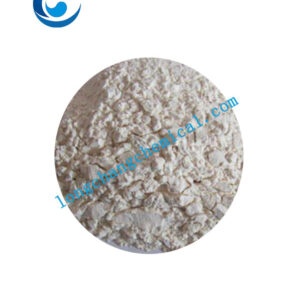
Forma Solido
Colore Marrone chiaro e giallastro

Grado alimentare

utilizzati principalmente in bevande/alimenti/concianti/mangimi/cosmetici/chimici e farmaceutici.

La tannasi è una specie di estere idrolasi del tannino ottenuta coltivando ceppi fungini attraverso la fermentazione sommersa e poi purificandoli ed estraendoli attraverso tecniche di microfiltrazione, ultrafiltrazione e liofilizzazione sotto vuoto. È in grado di idrolizzare i legami estere e i legami acido fenolico-carbossilici dei tannini dell'acido gallico per produrre acido gallico e glucosio, nonché di sintetizzare l'estere gallico propilico da acido gallico e propanolo. Può anche idrolizzare le catechine di tipo estere presenti nel tè per preparare monomeri di catechina e può essere utilizzato come additivo alimentare nello sviluppo di bevande a base di tè.

Contattateci ora!

Se avete bisogno di Price, inserite i vostri dati di contatto nel modulo sottostante; di solito vi contatteremo entro 24 ore. Potete anche inviarmi un'e-mail info@longchangchemical.com durante l'orario di lavoro (dalle 8:30 alle 18:00 UTC+8 lun.-sab.) o utilizzare la live chat del sito web per ottenere una risposta immediata.

Composto Glucoamilasi 9032-08-0
Pullulanase 9075-68-7
Xilanasi 37278-89-0
Cellulasi 9012-54-8
Naringinasi 9068-31-9
β-amilasi 9000-91-3
Glucosio ossidasi 9001-37-0
alfa-amilasi 9000-90-2
Pectinasi 9032-75-1
Perossidasi 9003-99-0
Lipasi 9001-62-1
Catalasi 9001-05-2
TANNASIO 9025-71-2
Elastasi 39445-21-1
Ureasi 9002-13-5
DEXTRANASE 9025-70-1
L-lattico deidrogenasi 9001-60-9
Deidrogenasi malato 9001-64-3
Colesterolo ossidasi 9028-76-6

Contatto

Italian