
Ciklopentanon CAS 120-92-3

Kémiai név: Ciklopentanon

CAS-szám: 120-92-3

Molekuláris képlet: C5H8O

Molekulatömeg: 84,12

Megjelenés: Átlátszó folyadék

Próba: 99.5%

Molekuláris szerkezet:image.png

Cyclopentanone Application scenarios

1. As a core intermediate in organic synthesis, it is used to prepare various fine chemicals (its primary use).

Synthetic pharmaceutical intermediates: These are key precursors for many antibacterial, antiviral, and anti-anxiety drugs, such as the synthesis of the antiepileptic drug gabapentin and the antidepressant moclobemide, as well as side-chain intermediates for antibacterial drugs. They can also be used to prepare intermediates for antihistamines and lipid-lowering drugs, primarily utilizing the addition and reduction properties of their ketone carbonyl groups in the reactions.

Synthetic pesticide intermediates: Used to produce highly effective and low-toxicity pesticides, including insecticides (such as pyrethroid derivatives), fungicides (such as heterocyclic fungicides for controlling fungal diseases in crops), and herbicides. They can enhance the activity and targeting of pesticides while reducing environmental toxicity.

Monomers for Synthetic Polymers: Used to prepare specialty resins (such as polycyclopentanone resin), polyesters, polyurethanes, etc. These polymers possess characteristics such as high and low temperature resistance, corrosion resistance, and high strength, making them suitable for manufacturing components in aerospace and high-end machinery. They can also be used to synthesize cyclopentene derivatives as rubber modifiers, improving the wear resistance and elasticity of rubber.

2. Applications in the Fragrance and Flavor Industry

Direct Use in Fragrance Blending: Cyclopentanone itself has a slight minty aroma and the characteristic soft scent of ketones. It can be used in small quantities to blend minty, fruity, and woody fragrances in daily-use fragrances (such as perfumes, soaps, and laundry detergents), playing a supporting role in enhancing and fixing the fragrance.

Synthetic Intermediates for High-Grade Fragrances: It is a key raw material for preparing sandalwood fragrances (such as sandalwood ethers and sandalwood esters). Sandalwood fragrances have a long-lasting and elegant aroma, widely used in the core blending of high-end perfumes and cosmetic fragrances. Simultaneously, it can be used to synthesize other alicyclic fragrances, compensating for the insufficient production of natural fragrances.

3. Solvent Uses

As a specialty solvent, it dissolves resins, oils, rubber, and other substances. Being an alicyclic ketone solvent, its solubility is superior to some aliphatic solvents, and its volatility is moderate. It is commonly used in the formulation of high-end coatings and inks, improving the leveling and adhesion of coatings, and is suitable for coating precision instruments and high-end furniture.

It is a commonly used solvent in laboratory organic synthesis, especially suitable for reactions requiring weakly polar ketone solvents. It does not undergo side reactions with most reactants, facilitating subsequent product separation and purification.

4. Other Industrial and Scientific Applications

Preparation of Fine Chemical Additives: For example, it can be used to synthesize lubricating oil additives, improving the oxidation resistance and anti-wear properties of lubricating oils and extending the service life of mechanical equipment; it can also be used to synthesize electroplating brighteners for metal electroplating processes, resulting in more uniform and glossy coatings.

Basic Raw Material in Scientific Research: Used to study the chemical reaction mechanisms of cyclopentane derivatives and develop novel functional compounds. It is also used as a standard for qualitative and quantitative analysis in chemical and pharmaceutical testing fields.

A small amount is used to prepare dye intermediates and synthesize alicyclic dyes. These dyes have bright colors and good lightfastness, and are suitable for dyeing synthetic fibers.

Leírás

Ciklopentanon CAS 120-92-3

Sűrűség: 0,951 g/cm

Olvadáspont: - 51 C

Forráspont: 130-131 C

Törésmutató: 1.436-1.438

Lobbanáspont: 31 C

Vízoldhatóság: vízben nem oldódik.


A ciklopentanon COA

Tétel

Standard

Megjelenés

Átlátszó folyadék

Szín (Hazen No)

≦10

Tisztaság (GC )

≧99.5%

Savérték (mgKOH/g)

≦0.5%

Összes szennyeződés

≦0.5%

Víztartalom

≦0.5%

Cyclopentanone Használat

1. A ciklopentanon és az n-valeraldehid mint nyersanyagok felhasználásával először aldolkondenzációnak, majd dehidratálásnak vetik alá a pentilciklopentanon előállításához, majd szelektív katalitikus hidrogénezéssel pentilciklopentanont állítanak elő, amely erős Virágos és gyümölcsös illatú, jázmin illatú. Használható a napi kémiai illatanyag-készítményekben. Az adagolás kevesebb lehet, mint 20%. Az IFRA nem tartalmaz korlátozásokat.

2. Az n-hexanal és a ciklopentanon mint nyersanyagok felhasználásával először kondenzációnak vetjük alá, majd szelektíven hidrogénezzük, hogy hexilciklopentanont kapjunk. A hexil-ciklopentanon erős jázmin illatú és gyümölcsös illatú, amely parfüm illatanyagokban használható. És különböző más napi kémiai aromaformulákban az adagolás az 5%-n belül van. Az IFRA-nak nincs korlátozása.

3. A paraffin pirolízisével vagy a megfelelő alkohol dehidratálásával nyert 1-pentént vagy 1-heptenet használják alapanyagként, és di-tert-butil-peroxid mint iniciátor jelenlétében gyökös addíciós reakcióban ciklopentanonnal 2 -Pentil-ciklopentanon (vagy 2-heptil-ciklopentanon) keletkezik, amely oxidációval történő gyűrűbővítés után δ-decanolakton (vagy δ-laurolakton) lesz.

4. A ciklopentanonnal mint kiindulási anyaggal végzett szintetikus útvonal rendelkezik a legnagyobb ipari termelési értékkel. A ciklopentanon először aldolkondenzáción megy keresztül n-valeraldehiddel, a kondenzációs termékből dehidratálás és szelektív hidrogénezés után 2-pentilciklopentanon lesz, végül oxidatív gyűrűs bővítés után δ-decanolakton.

5. A delta-dekanolaktont főként az ehető ízesítő készítményekben használják. Úgy tartják, hogy a természetes tejszín jellegzetes ízével rendelkezik. Ezt megelőzően a parfümkészítők sokáig csak monomer illatanyagokat, például diacetilt és vanillint használhattak fő alapanyagként a krémaromák formulázásához. Az emberek azonban általában úgy érzik, hogy az elkészített tejszínaroma íz vagy aroma tekintetében messze alulmúlja a természetes termékeket. Csak akkor, ha δ-decanolaktont használnak, élénk krémízzel rendelkezhet, különösen akkor, ha a δ-decanolaktont és a δ-laurolaktont együtt használják fő illatanyag nyersanyagként, a megfogalmazott krémíz íze és hatása jobb lesz.

6. Vegyük a ciklopentanont és a valeraldehidet nyersanyagként, kondenzáljuk 2-(1-hidroxi)pentilciklopentanont, reagáljunk dimetilmalonáttal, majd hidrolizáljuk, dekarboxiláljuk és észterezzük 160~180 ℃ -on, így dihidrojasmonát-metilészter nyerhető. A metil-dihidrojasmonát egy élelmiszer-fűszer, amelyet ideiglenesen engedélyezett az országom GB2760-1996-ban. Az aromája jobb, mint a természetes metil-jázmonáté, és tulajdonságai viszonylag stabilak.

Ciklopentanon Csomagolás és szállítás

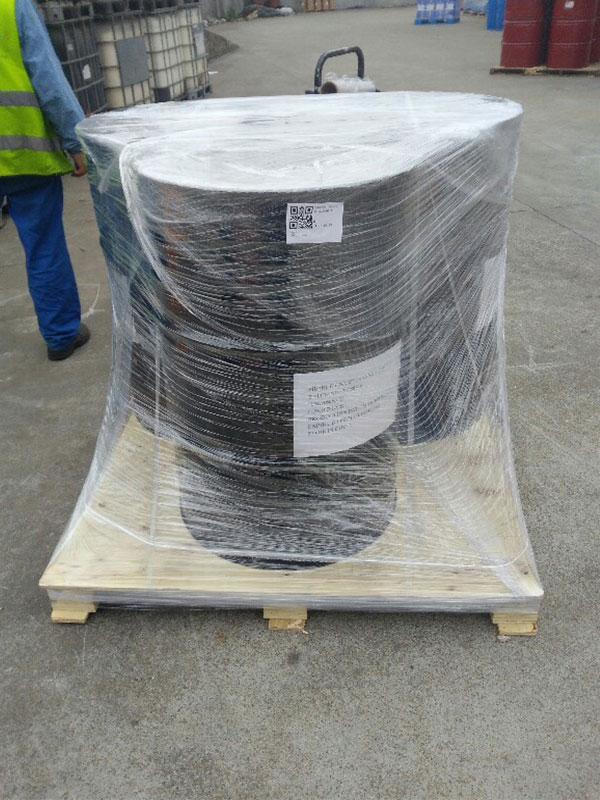
Csomagolás: 200kg/dob

Szállítás: 3-5 munkanapon belüli szállítás


Ciklopentanon tárolása

A fény és a szárítás elkerülése.


Lépjen kapcsolatba velünk most!

Ha COA, MSDS vagy TDS-re van szüksége, kérjük, töltse ki elérhetőségét az alábbi űrlapon, általában 24 órán belül felvesszük Önnel a kapcsolatot. Ön is küldhet nekem e-mailt info@longchangchemical.com munkaidőben ( 8:30-18:00 UTC+8 H.-Szombat ) vagy használja a weboldal élő chatjét, hogy azonnali választ kapjon.

Vélemények

Még nincsenek értékelések.

Legyen Ön az első, aki értékeli a(z) "Cyclopentanone CAS 120-92-3" terméket.

Kapcsolatfelvétel

Hungarian