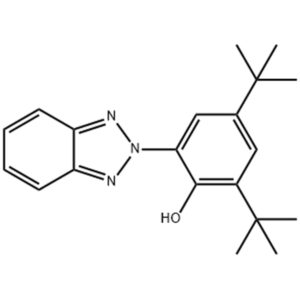

UV-326 Application scenarios
1. Polyolefin Products:
Used in films, injection molded parts, fibers, etc., made from polyolefin materials such as polyethylene and polypropylene, to improve weather resistance and prevent aging, embrittlement, and discoloration during outdoor use.
2. Polyvinyl Chloride (PVC) Products:
Suitable for PVC pipes, sheets, profiles, films, etc., inhibiting degradation caused by ultraviolet radiation and extending service life, especially suitable for outdoor PVC products.
3. Engineering Plastics:
Can be used in polycarbonate, polyamide, polyoxymethylene, ABS resin, epoxy resin, unsaturated polyester, etc., enhancing the stability of these materials in light environments and maintaining mechanical properties and appearance.
4. Paints and Coatings:
Added to automotive paints, industrial paints, architectural coatings, etc., to protect coatings from fading and chalking, improving weather resistance and durability.
5. Synthetic Rubber and Elastomers:
Used in natural and synthetic rubber products, such as tires, seals, and conveyor belts, to prevent rubber from aging and cracking due to ultraviolet radiation.
6. Photosensitive Materials:
Applied to photosensitive materials such as color film and color photographic paper, reducing the impact of ultraviolet radiation on the photosensitive layer, improving image quality and storage time.
7. Fibers and Textiles:
Added to the spinning process of synthetic fibers (such as polyester and nylon), or used in textile finishing, to improve the UV resistance and lightfastness of textiles.
8. Food Contact Materials:
Used as an additive in food contact materials and products, such as plastics and coatings, providing light stabilization protection under compliance conditions (not directly added to food).
9. Adhesives and Sealants:
Added to various adhesives and sealants to enhance their aging resistance in outdoor environments, ensuring the long-lasting effectiveness of bonding and sealing.