toluhydroquinone CAS 95-71-6

Chemical Name: Toluhydroquinone

Other Name: 2-Methylhydroquinone

CAS No.: 95-71-6

Molecular Fomula: C7H8O2

toluhydroquinone Structure:image.png

Molecular weight: 124.14

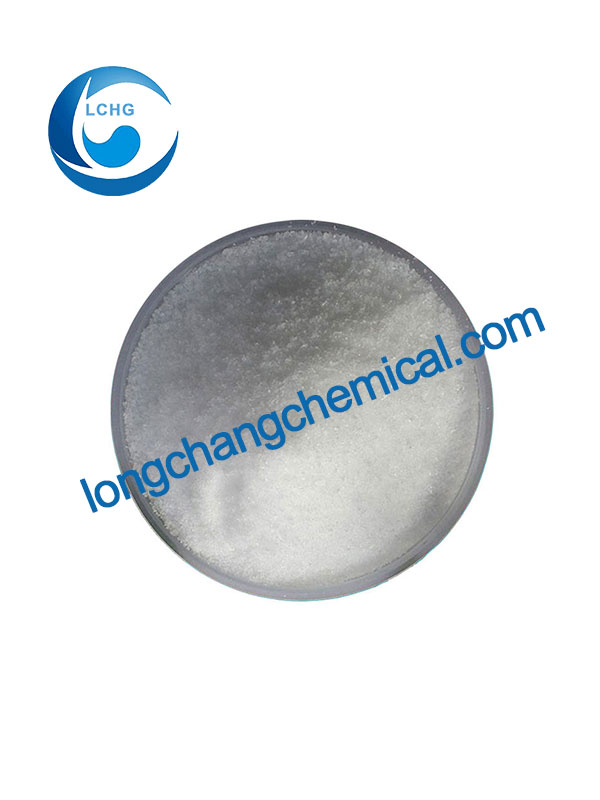
Appearance: Off-white crystal powder

Assay: 99%min

toluhydroquinone Application scenarios

1. Polymerization Inhibitor

Primarily used for the storage and transportation of unsaturated resins (such as monomers like acrylates, methacrylates, and styrene). It effectively inhibits free radical polymerization; an addition of only 0.01-0.1% is sufficient for effective inhibition, outperforming traditional hydroquinone. Furthermore, it is also a highly effective polymerization inhibitor for unsaturated polyester resins; an addition of 0.02% can maintain resin stability for over six months during production and storage.

2. Antioxidant

Used as an auxiliary antioxidant in the rubber, plastics, and oil industries, it can be combined with primary antioxidants (such as hindered phenols) to improve the aging resistance of materials, for example, extending the outdoor service life of rubber products by 20-30%. It is also used for antioxidant purposes in non-edible oils, fatty acid esters, and linseed oil systems.

3. Pharmaceutical Intermediate

Used in the synthesis of anti-tuberculosis drugs and antioxidant drugs (such as coenzyme Q series derivatives). The reactivity of its phenolic hydroxyl and methyl groups can be used for the precise construction of drug molecular structures.

4. Dye and Pigment Intermediates

Used in the synthesis of anthraquinone dyes and azo dyes. The color and solubility of dyes are adjusted through esterification or etherification of phenolic hydroxyl groups. Also used to prepare high-grade yellow organic pigments, producing products with bright colors and superior lightfastness (light fastness ≥6) compared to traditional pigments.

5. Pesticide Intermediates

Used in the synthesis of fungicides (such as thiophanate-methyl intermediates), herbicides, etc. Their derivatives have highly effective inhibitory effects on fungal diseases.

6. Cosmetic Additives

Added as antioxidants to skincare products to inhibit oil oxidation and extend product shelf life. The addition amount is generally ≤0.3%, meeting cosmetic safety standards.

7. Electronic Chemicals

High-purity (≥99.9%) methylhydroquinone can be used as a stabilizer in semiconductor photoresists, improving the storage stability and exposure accuracy of the photoresist.

8. Other Fine Chemical Intermediates

Also used as intermediates in fragrances, flavors, and synthetic materials.
Description

Toluhydroquinone / 2-Methylhydroquinone CAS 95-71-6

Item

Specifications

Appearance

Off-white crystal powder

Content

≥99.0%

Melting point

≥126℃

Ash

≤0.04%

Metals

<10ppm

Loss on drying

≤0.5%

What Is Toluhydroquinone / 2-Methylhydroquinone?

1. It is white or almost white crystal, which can be sublimated by heat and become black when it is wet. Slightly soluble in water, soluble in ethyl ester, methanol, and insoluble in petroleum ether. It is an important intermediate for industrial synthesis of vitamin E.

2. A new type of polymerization inhibitor, Toluhydroquinone is an efficient type of unsaturated resin polymerization inhibitor. Generally, the addition of two ten thousandths of the resin can exert a good polymerization inhibition effect in production and storage, and it will prevent the resin from hardening after polymerization. The stability is more than half a year; Toluhydroquinone has good solubility and no pollution to its products. It is not affected by temperature and environment. It only needs one product to ensure the quality of the resin.

3. Toluhydroquinone is not affected by temperature, and always reacts quickly with free radicals to achieve rapid polymerization inhibition, while tert-butylcatechol will lose the polymerization inhibition effect and even affect the color of the resin after thermal decomposition; it is not affected by the environment, in aerobic or In an oxygen-free container, it can inhibit polymerization, while hydroquinone does not work in an oxygen-deficient container.

4. The resin produced by using Toluhydroquinone will not affect the final curing speed of the resin under the action of the initiation system; Toluhydroquinone can show excellent polymerization inhibition effect in the high temperature curing type pultrusion and extrusion resins, which is new The product of a generation of unsaturated resin polymerization inhibitor.


Toluhydroquinone / 2-MethylhydroquinoneUse

1. 2-Methylhydroquinone / Toluhydroquinone is an important intermediate in the industrial synthesis of vitamin E, and it can be obtained by condensation reaction with isophytol side chain.

2. With 2-Methylhydroquinone / Toluhydroquinone as the main ring, and the side chain C isophytol under the condition of sulfuric acid as the condensing agent, the vitamin can be obtained by heating and condensing in ethyl acetate. In recent years, due to the wide application of vitamin E in the medical, food, and feed fields, vitamin E products have continued to be popular around the world, especially in the European and American markets.

3. 2-Methylhydroquinone / Toluhydroquinone is also a new type of polymerization inhibitor.

4. This product can be used as an antioxidant. When free radicals exist, they can react with free radicals to consume free radicals.


Toluhydroquinone / 2-Methylhydroquinon Packaging and Shipping

25kg/drum.


Toluhydroquinone / 2-Methylhydroquinon Storage

It should be placed in a ventilated and dry place.


Contact Us Now!

If you need COA, MSDS or TDS, please fill in your contact information in the form below, we will usually contact you within 24 hours. You could also email me info@longchangchemical.com during working hours ( 8:30 am to 6:00 pm UTC+8 Mon.~Sat. ) or use the website live chat to get prompt reply.

Reviews

There are no reviews yet.

Be the first to review “toluhydroquinone CAS 95-71-6”

Contact US

English