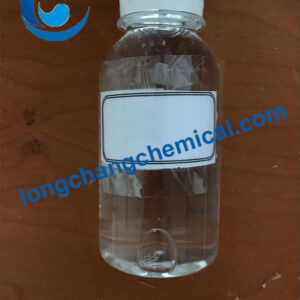
Tetrabutyl Tin Application scenarios
1. PVC Plastic Processing Field:
This is one of its core application scenarios, exhibiting significant effectiveness as a PVC heat stabilizer. It can capture hydrogen chloride produced during PVC processing and replace unstable chlorine atoms on the PVC molecular chain, preventing degradation and discoloration of PVC. Due to its good stability and excellent transparency, it is suitable for high-temperature processing scenarios and is often used in outdoor PVC products and transparent PVC rigid sheets. It is also approved for use in the production of PVC products with high safety requirements, such as food packaging materials, medical plastic products, and beverage bottles.
2. Marine Antifouling Coatings Field:
It can be added as a bactericidal component to underwater antifouling coatings for ship hulls. It prevents marine organisms such as barnacles and algae from attaching to the surface of ships and underwater structures, ensuring a smooth hull surface, reducing water friction during sailing, thereby maintaining speed and extending the service life of the hull and underwater structures.
3. Chemical Synthesis Catalysis Field:
On the one hand, it can be used as a polymerization catalyst for high-molecular-weight materials such as plasticizers, polyurethanes, silicones, polyesters, and alkyd resins, improving reaction efficiency and product quality.
4. Gasoline Anti-knock Field:
It can be used as a gasoline anti-knock agent, improving the combustion performance of gasoline, reducing the probability of knocking during combustion, ensuring smooth engine operation, and contributing to improved gasoline combustion efficiency.
5. Electronics Manufacturing Field:
In the electronics industry, it can be used as a solder or flux. With its good wettability and suitable melting point, it can lower the soldering temperature, increase soldering speed, and reduce defects such as cold solder joints.
6. Other Industrial and Scientific Research Fields:
Firstly, it can be used in the production of wood preservatives, ink additives, and plastic foaming agents, improving product performance, such as improving ink stability and enhancing wood preservation capabilities; secondly, in pharmaceutical and agrochemical research and development, it can be used as an organic synthesis reagent to assist in the synthesis of related active ingredients.