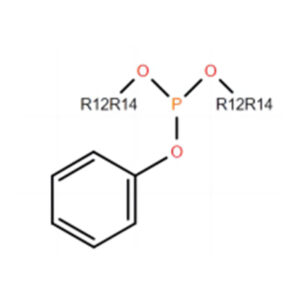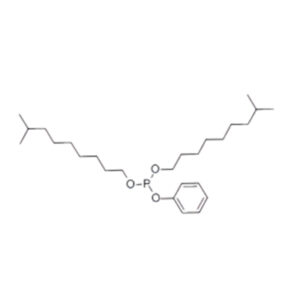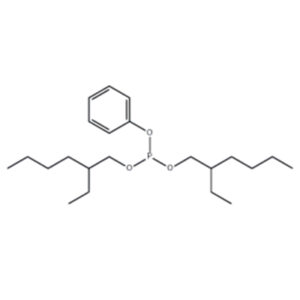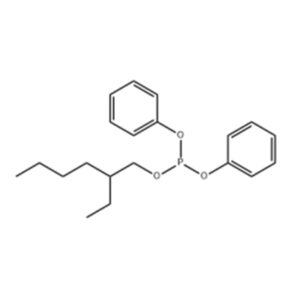
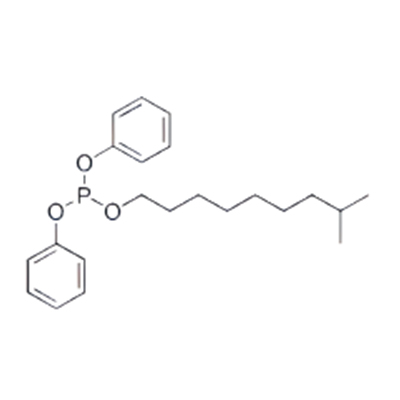
Antioxidant DPDP Application scenarios
1. Industria della plastica
· Heat stabilizer: Prevents thermal oxidative degradation during processing and use.
Rigid and plasticized PVC, ABS, polycarbonate (PC), and polyurethane.
· Color stabilizer: Inhibits yellowing caused by oxidation during high-temperature processing or use, maintaining vibrant colors.
PVC, ABS, and polystyrene (PS) plastic products where high color accuracy is required.
· Co-oxidant: Usually used in combination with primary antioxidants (such as hindered phenols) for synergistic effects.
Various engineering plastics and polymers.
2. Coatings and Paints
As an additive: Improves the stability of coatings during production and aging.
Various coating products.
3. Oil Stabilizer
· As a component of liquid compound antioxidants, used to improve the discoloration problem of recycled oils during storage and transportation.
Recycled lubricating oils and other oil products.
Please note the distinction: Another compound commonly referred to as “antioxidant H” or “DPPD” (CAS 74-31-7) is N,N’-diphenyl-p-phenylenediamine, primarily used as a rubber antioxidant in tires, belts, and other rubber products, and also as a stabilizer for solid propellants.
⚙️ Application Considerations
In practical applications, several key points need to be considered when selecting the antioxidant DPPD:
Chemical Nature: It is a phosphite ester, easily hydrolyzed. Once opened, it should be used as soon as possible and stored in a cool, dry, sealed container, avoiding contact with moisture.
Safe Handling: As a chemical raw material, safety regulations should be followed during handling (especially under heating conditions), avoiding static electricity and open flames.
Formulazione sinergica: It is usually not used alone as a primary antioxidant, but rather in combination with hindered phenolic antioxidants to achieve the best antioxidant effect. The formulation and dosage need to be determined experimentally based on the specific polymer system.