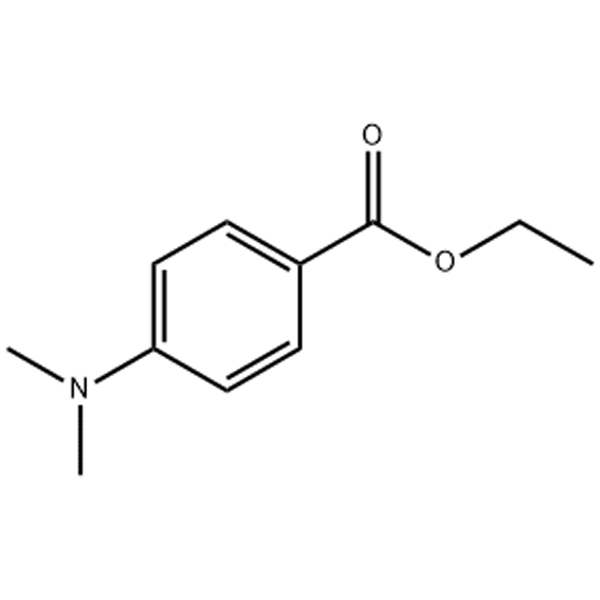
Fotoiniziatore EDB Scenari di applicazione
1. Rivestimenti a polimerizzazione UV
Rivestimenti in legno, rivestimenti in plastica, rivestimenti in metallo
Utilizzato come sinergizzante, in combinazione con il fotoiniziatore principale, per avviare la polimerizzazione a radicali liberi di monomeri come gli acrilati, ottenendo una rapida polimerizzazione del rivestimento.
2. Arti grafiche e stampa
Inchiostri, elettronica stampata
Utilizzato negli inchiostri a polimerizzazione UV, garantisce un'essiccazione rapida ed eccellenti effetti di polimerizzazione della superficie.
3. Adesivi
Vari adesivi a polimerizzazione UV
Accelera il processo di polimerizzazione degli adesivi, migliorando la forza di adesione e l'efficienza produttiva.
4. Materiali dentali
Resine dentali composite, adesivi
Spesso utilizzato in combinazione con il canforochinone (CQ) come coiniziatore nei sistemi di polimerizzazione a luce visibile per restauri dentali.
5. Altri campi
Materie plastiche ingegneristiche, prodotti chimici di uso quotidiano, intermedi di sintesi organica
Utilizzato per la modifica dei materiali o come materia prima per la sintesi di altri composti.
⚙️ Caratteristiche tecniche e meccanismo d'azione
La funzione principale dell'EDB è quella di "sinergista" o "co-iniziatore", e il suo principio di funzionamento e le sue caratteristiche sono i seguenti
Effetto sinergico:
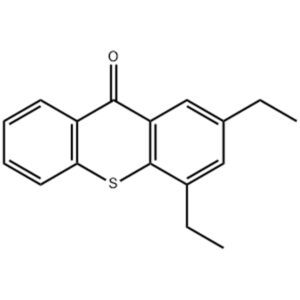
Viene solitamente utilizzato in combinazione con fotoiniziatori di tipo II (come ITX, BP, CQ). Sotto l'irradiazione di luce UV o visibile, l'iniziatore principale assorbe l'energia luminosa ed estrae atomi di idrogeno dalla molecola di EDB, generando così efficientemente radicali liberi attivi, che danno inizio alla reazione di polimerizzazione.
Prestazioni migliorate:
Questo effetto sinergico aumenta efficacemente la velocità di polimerizzazione, aumenta la profondità di polimerizzazione (soprattutto per i sistemi colorati) e riduce il problema dell'appiccicosità superficiale causata dall'inibizione dell'ossigeno.


Recensioni
Non ci sono ancora recensioni.