Dibutilstagno diacetato Scenari di applicazione
1. Catalizzatore per la vulcanizzazione a temperatura ambiente (RTV) della gomma siliconica/sigillante siliconico senza acido acetico 🧪:
Catalizza la condensazione del silanolo, indurendo più rapidamente del DBTDL; prodotti tipici: Sigillanti siliconici RTV, composti per l'invasatura, composti per lo stampaggio e rivestimenti per l'edilizia, l'industria automobilistica e l'elettronica; punti chiave: spesso composto con DBTDL (ad es. 1:9/2:8) per ridurre l'odore di acido acetico e controllare la velocità di polimerizzazione.
2. Catalizzatore di reticolazione/polimerizzazione del poliuretano (PU) 🛠️:
Accelera la reazione tra isocianati e polioli, migliorando la densità di reticolazione e la velocità di polimerizzazione; sistemi tipici: Rivestimenti PU, adesivi, elastomeri, schiume e sigillanti; punti chiave: adatto per formulazioni che richiedono una polimerizzazione rapida e un'alta densità di reticolazione, il dosaggio deve essere controllato per evitare bruciature o bolle.
3. Catalizzatore per reazioni di transesterificazione/esterificazione/condensazione (Sintesi organica e monomeri polimerici/materie prime) ⚗️:
Utilizzato per la transesterificazione, l'esterificazione, la policondensazione del silano, la sintesi di materie prime di policarbonato, ecc.; campi tipici: sintesi di lubrificanti, plastificanti, antiossidanti, intermedi farmaceutici/pesticidi; punti chiave: elevata attività e velocità di reazione, adatto per processi continui e batch.
4. Stabilizzatore termico in PVC 🧩:
Inibisce la degradazione dell'HCl, migliorando la stabilità di lavorazione alle alte temperature e il colore iniziale; prodotti tipici: tubi/profili/fogli in PVC rigido, film/composti per cavi in PVC flessibile; punti chiave: spesso composto con lubrificanti e antiossidanti per ottimizzare la finestra di lavorazione e le prestazioni a lungo termine.
5. Modifica del rivestimento/inchiostro/adesivo e promozione dell'indurimento 🎨:
Accelera la reticolazione e l'indurimento, migliorando l'adesione, la durezza, la resistenza chimica e la resistenza agli agenti atmosferici; sistemi tipici: vernici anticorrosive industriali, rivestimenti per il legno, coadiuvanti per l'indurimento UV, rivestimenti di substrati metallici; punti chiave: condurre prima test su piccola scala per verificare la compatibilità e il rischio di ingiallimento.
Descrizione
Dibutilstagno diacetato Dettagli rapidi
Nome chimico: Dibutilstagno diacetato
Un altro nome: DBTDA
N. CAS: 1067-33-0
Formula molecolare: C12H24O4Sn
Peso molecolare: 351,03
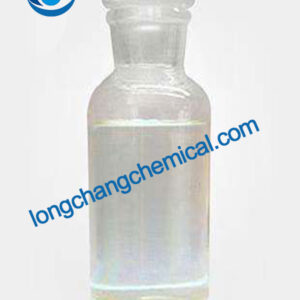
Aspetto: liquido da incolore a giallo
Densità: 1,32g/mLat 25°C(lit.)
Punto di ebollizione: 167-168°C775mm Hg (lit.)
Dibutilstagno diacetato Proprietà tipiche
| Caratteristiche tipiche |
Valore |
| Aspetto |
liquido da incolore a giallo |
| Contenuto di stagno |
33% |
| Densità a 25℃ |
1,32g/ml |
| Punto di ebollizione a 10 mmHg |
142~145℃ |
| Punto di infiammabilità, tazza chiusa Tag |
>110℃ |
| Indice di rifrazione (20℃) |
1.471 |
Dibutilstagno diacetato Imballaggio
Imballaggio: 200kgdrum
NW per 20'FCL con pallet: 1600kg (80drums )
Dibutilstagno diacetato Proprietà
La DBTDA è un liquido incolore e giallo, cristalli bianchi a bassa temperatura. DBTDAè solubile nei più comuni, come benzene, toluene, etanolo, acetone, acetato di etile, cloroformio, tetracloruro di carbonio, benzene, etanolo, etere di petrolio e altri solventi e vari plastificanti industriali; DBTDAè insolubile in acqua.
Promuove una gelificazione rapida e tempi di aderenza ridotti
Dibutilstagno diacetato Applicazione
CatalystforRTV
DBTDA utilizzato come catalizzatore nella vulcanizzazione dei siliconi a temperatura ambiente. Particolarmente adatto per i sigillanti acetossici; ha una velocità di catalisi superiore a quella del dibutiltindilaurato.Normalmente il rapporto di miscelazione è DBTDA:DBTDL=1:9 a 2:8; anche come catalizzatore di rivestimenti poliuretanici.
Sicurezza, manipolazione e stoccaggio del prodotto
I clienti che intendono utilizzare questo prodotto devono consultare l'ultima scheda di sicurezza del materiale e l'etichetta per le informazioni sulla sicurezza del prodotto, le istruzioni per la manipolazione, l'eventuale equipaggiamento di protezione personale e le condizioni speciali di conservazione richieste. La data di scadenza di ogni lotto è riportata sull'etichetta del prodotto. La conservazione oltre la data specificata sull'etichetta non comporta necessariamente l'utilizzo del prodotto.
significa che il prodotto non è più utilizzabile. In questo caso, tuttavia, le proprietà richieste per l'uso previsto devono essere verificate per motivi di garanzia della qualità.
Contattateci ora!
Se avete bisogno di Price, inserite i vostri dati di contatto nel modulo sottostante; di solito vi contatteremo entro 24 ore. Potete anche inviarmi un'e-mail info@longchangchemical.com durante l'orario di lavoro (dalle 8:30 alle 18:00 UTC+8 lun.-sab.) o utilizzare la live chat del sito web per ottenere una risposta immediata.