
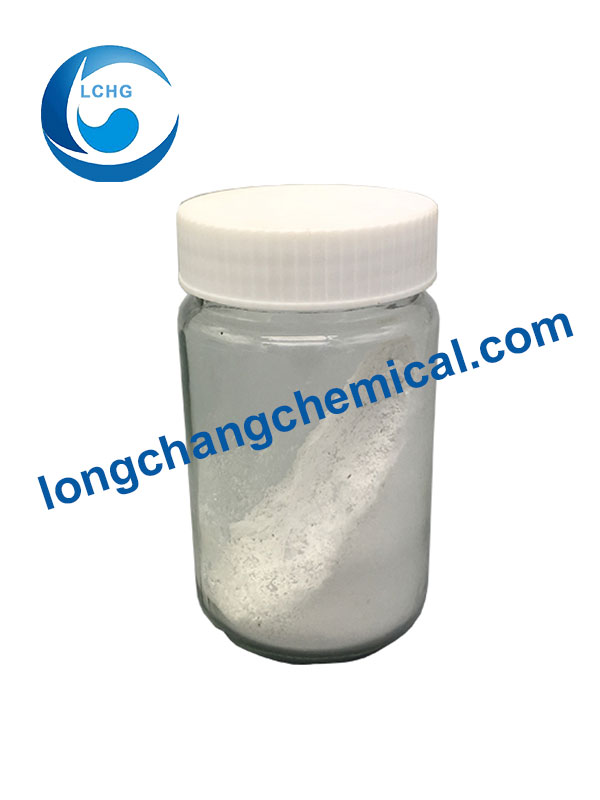

Natriumaluminat Anwendungsszenarien
1. Wasseraufbereitungsindustrie (Kernanwendungsbereich):
Wird als hochwirksames Wasseraufbereitungsmittel verwendet, hauptsächlich als Flockungsmittel. Durch Hydrolyse entsteht ein Aluminiumhydroxidkolloid, das schwebende Verunreinigungen, Schwermetallionen (wie Blei, Quecksilber und Chrom) und Farbstoffe im Wasser adsorbiert und für die Trinkwasseraufbereitung und die Behandlung von Industrieabwässern (Galvanikabwässer, Färbe- und Druckabwässer, Abwässer aus der Papierherstellung) verwendet wird.
2. Baustoffindustrie:
Zubereitung von Beschleunigern: Gemischt mit Gips, Silikaten usw. zur Herstellung von Betonbeschleunigern, die die Abbinde- und Erhärtungsgeschwindigkeit von Beton beschleunigen und die Aushärtungszeit verkürzen, geeignet für Notfallszenarien wie Tunnel, Minen und Katastrophenhilfeprojekte;
Herstellung von feuerfesten Materialien: Wird als Bindemittel bei der Herstellung von geformten feuerfesten Steinen und ungeformten feuerfesten Gussstücken verwendet und verbessert die Hochtemperaturbeständigkeit, Festigkeit und Korrosionsbeständigkeit von feuerfesten Materialien, die für die Auskleidung von Hochtemperaturanlagen wie metallurgischen Öfen, Glasöfen und Zementdrehrohröfen verwendet werden;
Unterstützung der Zementhydratation: Kleine Mengen können die Hydratationsreaktion des Zementklinkers fördern, die Frühfestigkeit des Zements verbessern und die Abbindezeit des Zements regulieren.
3. Metallurgische Industrie
Bauxitlaugung: Ein wichtiger Rohstoff/Hilfsstoff im Bayer-Verfahren zur Tonerdegewinnung. Unter hoher Temperatur und hohem Druck löst Natriumaluminatlösung Tonerde im Bauxit auf und trennt Aluminium von Verunreinigungen (wie Silizium und Eisen). Durch anschließende Zersetzung und Röstung wird industrielle Tonerde gewonnen, die dann in der elektrolytischen Aluminiumherstellung verwendet wird.
Metalloberflächenbehandlung: Wird als Hilfsmittel für die Phosphatierung und Passivierung von Stahlteilen verwendet, um die Haftung der Beschichtung und die Korrosionsbeständigkeit zu verbessern; es kann auch für die Oberflächenoxidationsbehandlung von Aluminiumprodukten verwendet werden, um die Dicke und Dichte der Oxidschicht einzustellen.
4. Papierindustrie
Als Leimungsmittel-Fällungsmittel: Wird in Verbindung mit Kolophonium und anderen Leimungsmitteln verwendet, um eine gleichmäßige Ausfällung des Leimungsmittels auf der Papierfaseroberfläche zu gewährleisten, wodurch die Wasserbeständigkeit, Glätte und Festigkeit des Papiers verbessert und das Durchsickern von Wasser verringert wird;
Anpassung des pH-Werts des Zellstoffs: Nutzt seine starke Alkalität, um saure Substanzen im Zellstoff zu neutralisieren und gleichzeitig die Schlagkraft des Zellstoffs zu verbessern und die Papierqualität zu erhöhen;
Textildruck- und Färbeindustrie
Wird als Beizmittel verwendet: Beim Färben von Textilien aus Baumwolle, Leinen und Wolle hilft es den Farbstoffen, besser an den Fasern zu haften, und verbessert so die Farbechtheit (Waschechtheit, Reibechtheit), besonders geeignet für Färbeverfahren mit Säure- und Reaktivfarbstoffen;
Wird als Textilveredelungsmittel verwendet: Verbessert den Griff und die Knitterfreiheit von Stoffen und erhöht gleichzeitig die Knitter- und Wasserbeständigkeit;
Behandlung von Färbe- und Druckabwässern: Neutralisiert saure Färbe- und Druckabwässer, adsorbiert Farbpigmente und Schwebstoffe und erreicht so die Einleitungsstandards oder ermöglicht die Wiederverwendung.
5. Chemische Rohstoffsynthese
Herstellung von Aluminiumhydroxid: Durch Ansäuern der Natriumaluminatlösung (Zugabe von Salzsäure, Schwefelsäure oder Kohlendioxid) kann hochreines Aluminiumhydroxid hergestellt werden, das für die Produktion von Flammschutzmitteln, Aluminiumhydroxid in pharmazeutischer Qualität (Rohstoff für Antazida), Zahnpasta-Schleifmittel usw. verwendet wird.


Bewertungen
Es sind noch keine Bewertungen vorhanden.