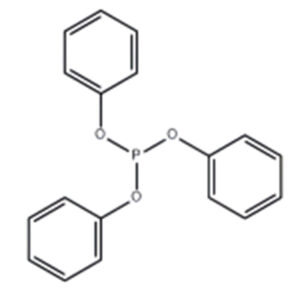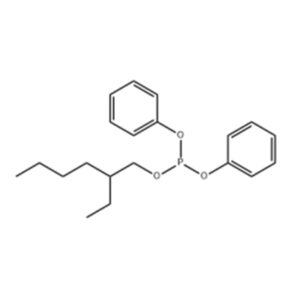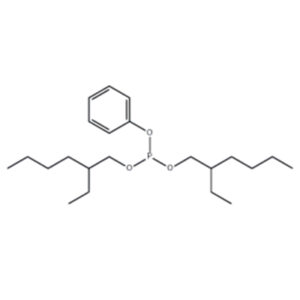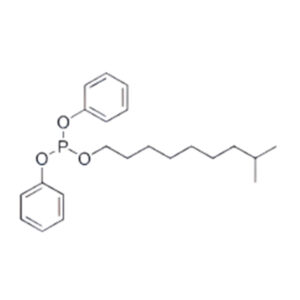
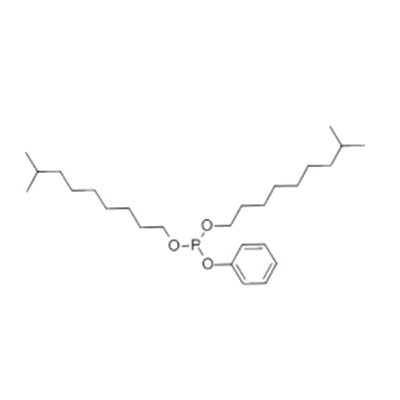
Antioxidant PDDP Application scenarios
1. Polymer Stabilizers
· Polyvinyl chloride (PVC), polycarbonate, ABS resin, polyurethane, etc.
As heat stabilizers, they prevent degradation and yellowing caused by heat during processing; they also improve the weather resistance of materials. They react with free radicals generated during polymer degradation, interrupting chain reactions and maintaining material properties.
· Polyolefins such as polyethylene and polypropylene. As auxiliary antioxidants, they are used synergistically with primary antioxidants (such as hindered phenols) to provide long-lasting stable protection.
They decompose hydroperoxides, reducing the consumption of primary antioxidants and improving overall antioxidant efficiency.
2. Oil Stabilizers
Regenerated lubricating oils (regenerated oils)
In liquid composite antioxidant formulations, they prevent discoloration and aging of oils due to light and heat during storage and transportation.
As an auxiliary component, they are used in combination with hindered phenolic primary antioxidants and hindered amine light stabilizers.
3. Other Applications
Used as a chemical intermediate in synthesis; explored as an alternative component in flame retardants.
Used for further production of other chemicals; researched for its application potential in halogen-free flame retardant systems.
Provides phosphorus; its decomposition products may contribute to the formation of a char layer, blocking heat and oxygen.
💡 Key Features and Usage Notes
Positioning as an auxiliary antioxidant: PDDP is usually not used as the sole antioxidant, but rather in combination with hindered phenolic primary antioxidants (such as antioxidants 1135, 1010, etc.) to produce a synergistic effect of “1+1>2,” which is its most classic application.
Clearly distinguish DPPD: The “PDDP” you searched for is different from the “DPPD” (N,N’-diphenyl-p-phenylenediamine, CAS 74-31-7) commonly used in the rubber industry. The latter is mainly used in natural and synthetic rubber for resistance to flexural cracking and ozone aging.