
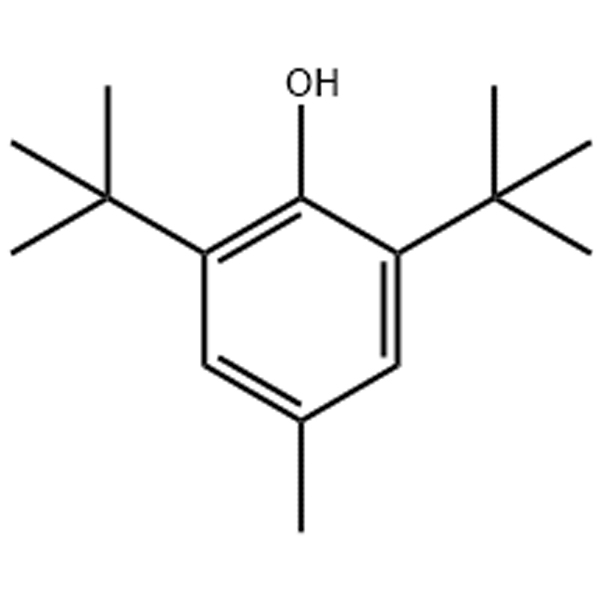

Antioxidant 264 Application scenarios
1. Food and Feed
Animal and vegetable oils, oil-containing foods, feed, etc.
Delay rancidity and extend shelf life.
2. Polymer Materials
Plastics: Polyethylene (PE), Polypropylene (PP), Polystyrene (PS), ABS resin, etc.
Kauçuk: Natural rubber, Styrene-butadiene rubber, Butadiene rubber, etc.
Inhibit oxidative degradation, prevent aging, and extend service life.
3. Oils and Fuels
Lubricating oils, gasoline, paraffin wax, fuel oil.
Prevent acid value or viscosity increases and prevent gum formation. Commonly used in secondary gasoline processing.
4. Cosmetics
Cosmetics containing animal and vegetable oils.
Prevent oxidative deterioration of ingredients. Similar to food applications, high-quality raw materials are required.
5. Other Industrial Auxiliaries
Adhesives, textiles, coatings, inks, etc. Protect base materials from oxidation.
📝 Key Usage Points
“General Purpose” Features: Due to its excellent performance, low price, and safe and stable use, BHT has been one of the most widely used antioxidants since its introduction in 1937. It effectively inhibits air oxidation, thermal degradation, and copper damage.
Difference between Industrial and Food Grade: Purity and impurity requirements vary in different fields. For example, when used in food and cosmetics, food-grade products that meet national standards must be used.
Physical and Chemical Properties: It appears as a white to pale yellow crystalline powder with a melting point of approximately 69-71℃. It is insoluble in water but readily soluble in organic solvents such as benzene, ethanol, methanol, and oils.
Güvenlik ve Depolama: It is generally considered safe to use when used in compliant dosages. It is non-toxic, non-flammable, non-corrosive, and has good storage stability, but it should still be stored in a cool, dry place.

Samantha Price: -
Üstün hizmet, hızlı yanıtlar, sorunsuz lojistik, harika alışveriş!