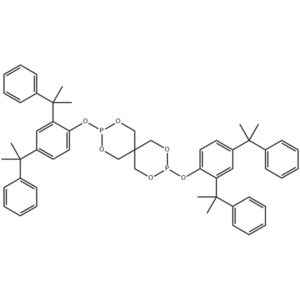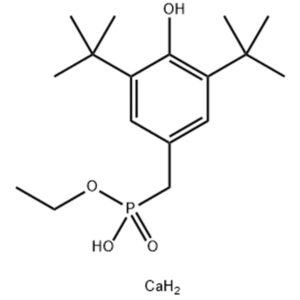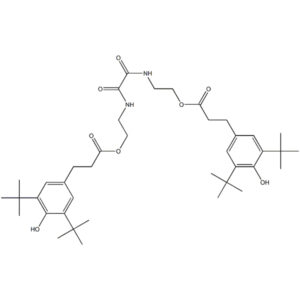
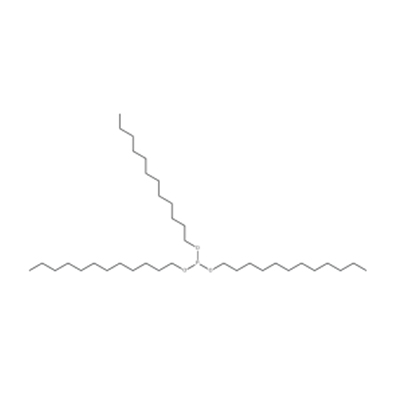
Antioxidant TLP Application scenarios
1. General-purpose plastics
Enhances processing thermal stability, preventing material degradation and yellowing during high-temperature processing (e.g., extrusion, injection molding).
Suitable for PVC, ABS, polypropylene (PP), polyester fibers, etc.
2. Rubber en elastomeren
Acts as a stabilizer to prevent rubber aging during processing and storage. Commonly used in SBR (styrene-butadiene rubber), CR (chloroprene rubber), PU (polyurethane), etc.
3. Lubricant Applications
Serves as a lubricant additive to enhance anti-friction and anti-wear properties. Also functions as a sulfur activator.
🔬 Core Mechanism and Characteristics
As a secondary antioxidant, TLP’s primary function is to decompose hydrogen peroxides generated during material oxidation, converting them into stable, inert substances to halt chain reactions. It typically requires blending with primary hindered phenol antioxidants (e.g., Antioxidants 1010, 1076) to achieve a synergistic “1+1>2” effect, providing more comprehensive protection.
Notably, research indicates a unique synergistic effect between TLP and hindered amine light stabilizers (HALS) when stabilizing polypropylene. Under thermal aging conditions, optimal synergistic stabilization is achieved when HALS is present in excess molar proportions.
💡 Application Considerations
Several key points require attention during application:
Fysische eigenschappen: TLP typically appears as a transparent liquid (specific gravity ~0.86-0.89 at 25°C), facilitating processing and blending in liquid formulations or applications requiring precise metering.
Hydrolytic Stability: Phosphite antioxidants are generally moisture-sensitive. As an aliphatic phosphite, TLP exhibits lower hydrolytic stability than aromatic phosphites (e.g., 168). Therefore, special attention to moisture protection is required during storage and processing.
Naleving van regelgeving: Data indicates it can be used as a stabilizer in applications not requiring food contact regulatory approval. If your product involves sensitive areas such as food packaging, ensure compliance with the latest local food contact material regulations.
Beyond its role as an antioxidant, another important function is as a lubricant additive to reduce friction and wear.