Antioxidant TDP Application scenarios
1. PVC (Rigid/Flexible)
As an auxiliary stabilizer and chelating agent, it improves the color, transparency, and thermal stability of finished products.
2. Polyurethaan (PU)
Provides thermal stability in polyurethane coatings; in polyurethane foam, it reduces the risk of core burning and has anti-yellowing properties against phenolic yellowing and nitrogen oxide (NOx) fumes.
3. Polyolefins (e.g., PP)
As a stabilizer, it provides good color and thermal stability during processing and later applications.
4. Engineering Plastics (ABS, PET, etc.)
Used in materials such as ABS and PET to improve thermal and color stability during processing.
5. Rubber (SBR, CR, etc.)
Used as an antioxidant in rubber, extending material lifespan and improving heat resistance.
6. Lubricants/Additives
Used as a lubricant additive or component of metalworking fluids, it improves anti-friction and anti-wear properties, and acts as a sulfur deactivator.
💡 Technical Highlights and Selection Guidelines
In addition to the applications mentioned above, the following points will help you gain a more comprehensive understanding and use of this product:
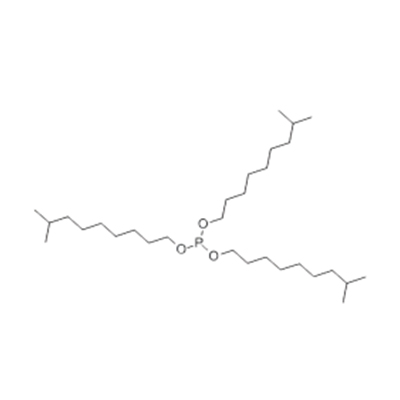
Core Function: TDP belongs to the phosphite antioxidant class. Its main function is to decompose hydroperoxides generated during high-temperature polymer processing, preventing further degradation and thus protecting the material. This function is usually achieved synergistically with primary antioxidants (such as phenols).
Key Advantages: Product information shows that TDP is a phenol-free, environmentally friendly additive. In fields that promote environmentally friendly formulations (such as compliant production of toys and food contact packaging), it can be used as an alternative to phenolic antioxidants.