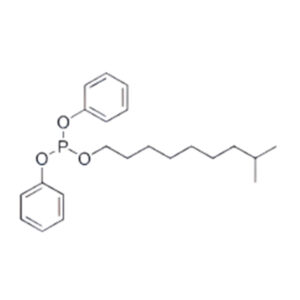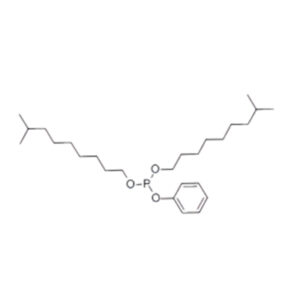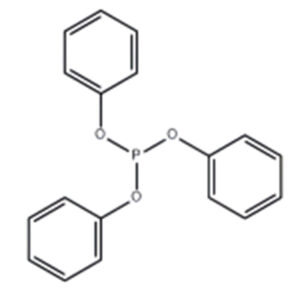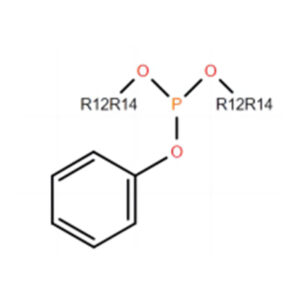
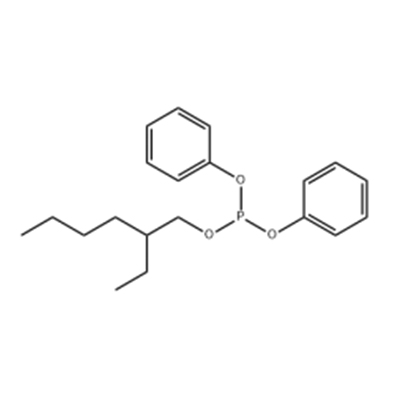
Antioxidant DPOP Application scenarios
1. Polyvinylchloride (PVC)
Chlorinating agent, auxiliary heat stabilizer.
Used in synergy with metal soap stabilizers, it improves the heat resistance and transparency of products and inhibits color changes during processing. Suitable for food-grade, medical-grade granules, high-transparency pipes and sheets, etc.
2. Polypropylene (PP) and other plastics
Auxiliary antioxidant.
Working with primary antioxidants, it enhances antioxidant effects, reduces yellowing substances generated by polymer thermal oxidation, and improves the appearance of products.
3. ABS Resin
Heat stabilizer.
Improves the thermal stability of ABS resin during processing.
4. Compound Stabilizers
Components of liquid/paste compound stabilizers.
As a key component, used to formulate more balanced and easier-to-use compound stabilizer systems.
⚙️ Mechanism of Action and Safety Precautions
Werkingsmechanisme: As a secondary antioxidant, DPOP works by capturing and decomposing peroxide free radicals generated during processing or use, thereby interrupting the oxidation chain reaction and protecting the polymer’s main structure.
Safety and Toxicity: According to toxicological data, DPOP exhibits low acute oral and dermal toxicity in experimental animals. However, it is important to note that it rapidly hydrolyzes in vivo into metabolites such as 2-ethylhexanol. Studies suggest that 2-ethylhexanol poses a potential developmental toxicity risk. Therefore, in practical industrial applications, especially in products that may come into contact with food or humans, strict adherence to relevant regulations and safety assessment requirements is essential.