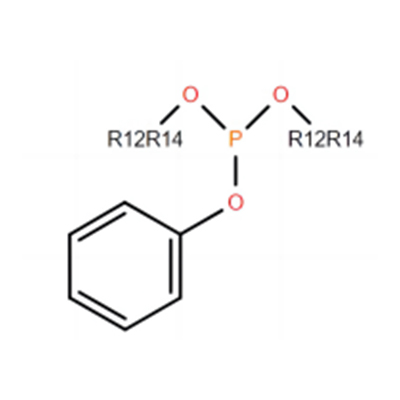
Antioxidant 8621 Application scenarios
1. Polyolefins (e.g., PP, PE)
Protect materials from thermo-oxidative aging during high-temperature processing (e.g., injection molding, extrusion) and long-term use, maintaining mechanical properties (strength, toughness) and appearance.
2. Technische kunststoffen
Provide thermal stability in engineering plastics with higher processing temperatures (e.g., PA, PC, PBT), preventing melt strength degradation and yellowing of products.
3. Styrene Polymers (e.g., PS, ABS, HIPS)
Inhibit yellowing of materials under processing and light exposure conditions, improving the color stability of products.
4. Elastomers and Adhesives (e.g., rubber, SBS, hot melt adhesives)
Prevent materials from hardening, becoming brittle, or losing their stickiness due to oxidation, extending service life.
💡 Key Performance and Selection Considerations
Besides application scenarios, the following characteristics of antioxidant 8621 should be considered when selecting and using it:
Core Mechanism of Action: As a hindered phenolic antioxidant, it primarily interrupts the chain reaction by “capturing” free radicals generated during oxidation, thereby achieving antioxidant effects. These antioxidants typically have low pollution levels and are less likely to stain products, making them suitable for light-colored or transparent products.
Synergetisch gebruik: In actual formulations, to achieve better stability, phenolic antioxidants (primary antioxidants) are often used synergistically with phosphite or thioester auxiliary antioxidants. Auxiliary antioxidants mainly decompose hydroperoxides; the combination of the two provides more comprehensive protection.
Migration and Compatibility: An ideal antioxidant needs good compatibility with the matrix material to ensure that it is not easily extracted by water or solvents during long-term use, and will not migrate to the product surface, affecting its appearance and performance.