
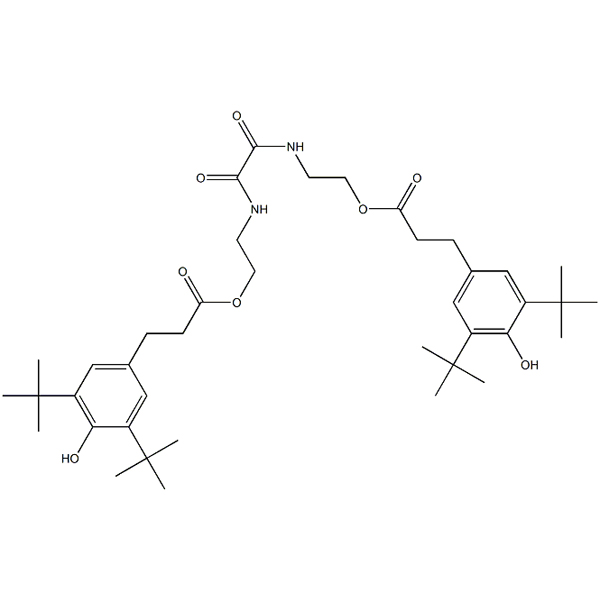
Antioxidant 697 Application scenarios
1. Polymer Industry
• Polyolefins: Polyethylene (PE), Polypropylene (PP)
• Engineering Plastics and Elastomers: Polystyrene (PS), ABS resin, Polyester (PET/PBT), Polyamide (PA), Polyurethane (PU), EVA, EPDM, etc.
Provides long-term thermal stability and processing stability, preventing material yellowing and degradation.
2. Wires and Cables
Insulation and sheathing materials for wires and cables, especially communication cables.
Core application scenario: Passivates metal ions such as copper conductors, preventing their catalytic aging of insulation materials and ensuring long-term electrical performance and safety.
3. Coatings and Adhesives
Powder coatings (especially those applied to metal surfaces) and adhesives in contact with metals.
Inhibits oxidative aging of coatings or adhesives caused by contact with metal substrates, improving durability.
4. Other Modified Materials
Mineral-filled plastic masterbatches
Rubber products, metal gaskets
Passivates metal ions introduced by fillers or processing equipment, protecting the base material.
💡 Usage Instructions and Purchasing Suggestions
When selecting Antioxidant 697, several key points need attention:
Combination Use: It is often used in combination with phosphite antioxidants, other hindered phenol antioxidants, or UV absorbers to produce synergistic effects and provide more comprehensive protection.
Dosage : The recommended dosage is usually between 0.1% and 0.2%, which should be determined experimentally based on the specific material and process.
Conformité réglementaire : This product has been approved by the US FDA and can be used in food-contact polymer products.
Propriétés physiques : This product is a white powder with a melting point of approximately 174-180°C. It should be stored in a dry area below 25°C.
Sophie Evans -
Superbe service, réponses rapides, logistique fluide, achats fantastiques !