
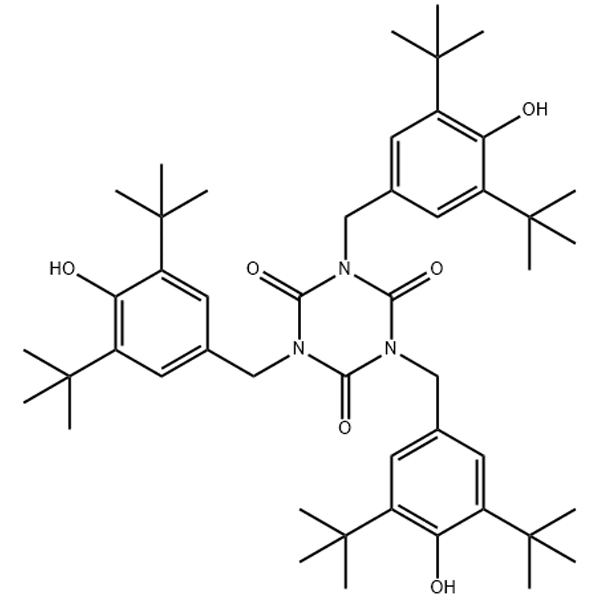
Antioxidant 3114 Application scenarios
1. Polyolefins
Thermo- and oxygen-stable, light-stable.
The most commonly used and effective material. Primarily used in polyethylene (PE) and polypropylene (PP) to extend their service life.
2. Engineering Plastics and Resins
Prevents thermal oxidative degradation. Used in polystyrene (PS), ABS resin, polyester (PET/PBT), polyamide (nylon), polyvinyl chloride (PVC), polyurethane (PU), etc.
3. Rubber and Elastomers
Anti-aging, maintains elasticity. Used in various synthetic rubbers and elastomers to prevent performance degradation caused by oxidation.
4. Other Specialty Materials
Provides processing and long-term stability. Used in adhesives, coatings, synthetic fibers, lubricants, etc.
Summary and Application Recommendations
In summary, antioxidant 3114 is a versatile, stable, and particularly suitable primary antioxidant for high-quality polymer products requiring low volatility and long-term stability.
When selecting, you can refer to the following approach:
· Determine the substrate: First, confirm whether your base material is polyolefin (PP/PE) or one of the other plastics or rubbers mentioned above.
· Specific requirements: Assess the product’s long-term thermal stability, UV resistance, and extractability (e.g., resistance to water or detergent contact).
· Formulation design: Consider using antioxidant 3114 as the primary antioxidant, combined with secondary antioxidants (e.g., 168) to create a highly effective and stable system. For outdoor products, it is recommended to also add a UV absorber.
· Compliance verification: If the product involves food contact or is used in specific industries, a rigorous regulatory compliance review is essential.

Vivian Stone -
Excellent service, réponses rapides, logistique efficace, achats agréables !
Elena Brooks -
Un service exceptionnel, des réponses rapides, une logistique efficace, de superbes achats.