

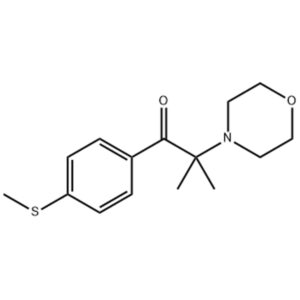
Photoinitiateur EMK Scénarios d'application
1. Revêtements durcissables aux UV
Vernis pour bois, vernis pour plastique, vernis pour métal ; vernis UV colorés et noirs
Absorbe la lumière UV à ondes longues avec une forte pénétration, convient pour le durcissement des couches profondes et des systèmes colorés.
2. Encres à séchage UV
Encres d'impression offset, encres typographiques, encres flexographiques ; compatible avec les encres et vernis en phase jaune
Permet un séchage UV à ondes longues rapide et efficace pour divers procédés d'impression.
3. Produits chimiques électroniques
Sert de sensibilisateur dans les résines photosensibles liquides (matériau essentiel pour la fabrication des circuits imprimés).
Améliore la qualité de l'imagerie en augmentant la sensibilité des systèmes photo-initiateurs composites.
4. Autres applications
Adhésifs, intermédiaires de teinture, photosensibilisateurs, etc.
Leur fonctionnalité polyvalente permet de les utiliser en tant qu'intermédiaires ou agents auxiliaires.
💡 Caractéristiques techniques et recommandations de sélection
Compatibilité de la source lumineuse de polymérisation :
Compatible avec les sources traditionnelles de lampes à mercure et les sources UV-LED, il s'aligne sur les tendances actuelles en matière de respect de l'environnement et d'efficacité énergétique.
Mécanisme d'action :
En tant que photo-initiateur de type II, il nécessite une interaction synergique avec des co-initiateurs (par exemple, des composés aminés). Certains produits EMK commerciaux intègrent une fonctionnalité amine et peuvent être utilisés seuls.
Propriétés physiques :
Il se présente généralement sous la forme d'une poudre jaune pâle à blanc cassé dont le point de fusion se situe aux alentours de 93-95°C.



Commentaires
Il n'y a pas encore de commentaires.