
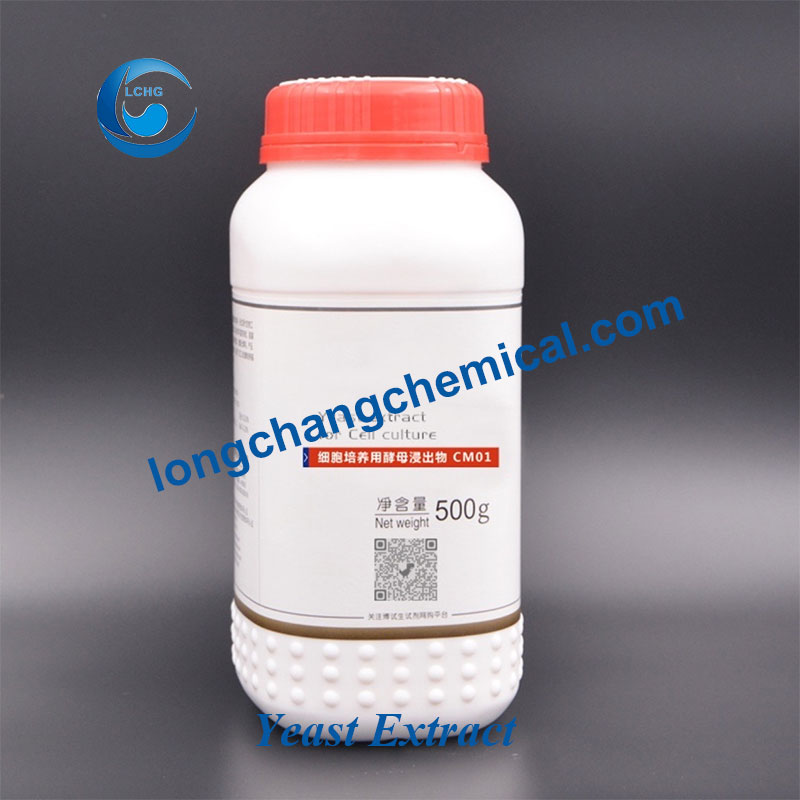
Yeast Extract Application scenarios
1. Flavoring Production:
It is a key ingredient in soy sauce, chicken essence, and compound seasonings. Adding it to soy sauce can mask the sour and astringent taste produced during processing, enhance the savory and rich flavor, and improve quality indicators such as amino acid nitrogen content.
2. Various Food Processing Fields:
It is suitable for optimizing the flavor and quality of various foods. For example, adding it to instant noodle seasoning packets enhances the umami flavor, and adding it to the noodles themselves improves texture and nutritional value.
3. Edible Flavoring Preparation:
As a flavoring base, the addition ratio is usually 2%-15%. It provides a carrier for the taste and aroma of the flavoring, allowing the flavor to be fully released. It is suitable for the preparation of various flavorings such as meat and seafood flavors, helping the flavoring to better enhance the flavor in food processing.
4. Microbial Culture:
It is a high-quality component of microbial culture media. Its low-salt formula and rich peptides and amino acids can be used for the cultivation of various microorganisms such as E. coli, Bacillus subtilis, and Streptococcus lactis. It is also suitable for the cultivation of Pseudomonas, yeast, and mycoplasma, and is widely used in microbial experiments and large-scale cultivation of related strains.
5. Bio-fermentation Industry:
As a core raw material, it supports the production of various fermentation products. In the fermentation process of products such as amino acids, vitamin C, and inosine, it provides sufficient nutrients for microbial growth, ensuring fermentation efficiency and product yield; it can also be used as a raw material for the production of antibiotics and other drugs, providing basic support for the synthesis of biopharmaceuticals and biochemical products.
6. Cosmetics Research and Development:
Widely used in the production of high-end skincare products.
7. Feed Processing:
It can be used as a feed additive in livestock and poultry farming. Its rich B vitamins, amino acids, and minerals provide nutritional support for the growth of livestock and poultry, promoting animal growth and development. It can also help regulate the balance of intestinal flora in animals, improve their digestive and absorption capacity, and ensure the healthy growth of farmed animals.


