
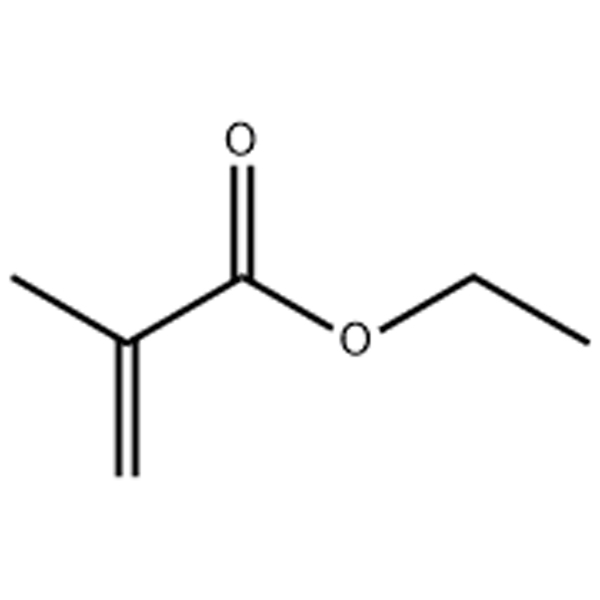

EMA Monomer Anwendungsszenarien
1. Beschichtungen und Druckfarbenindustrie
Bautenanstriche, Industrieanstriche, Fahrzeuganstriche, Druckfarben, Lacke Verbessert die Flexibilität, Wetterbeständigkeit, den Glanz und die Haftung von Beschichtungen.
2. Klebstoffe und druckempfindliche Klebstoffe
Allzweckklebstoffe, Haftklebebänder und Etiketten, Spezialklebstoffe Passt die Klebrigkeit, Kohäsionskraft und Trocknungsgeschwindigkeit an, um die Klebeleistung auf verschiedenen Substraten zu verbessern.
3. Modifizierung von Kunststoffen und Harzen
Modifikation von Acryl (PMMA), Acryl-Copolymerharze, technische Kunststoffe Verbessert die Schlagzähigkeit, den Verarbeitungsfluss und die Transparenz von Kunststoffen.
4. Biomedizinische Materialien
Zahnrestaurationsmaterialien (z. B. Füllungsharze), orthopädische Knochenzemente, Träger zur Medikamentenfreisetzung, medizinische Katheter
Herstellung biokompatibler Polymere für die Reparatur von menschlichem Hartgewebe oder die kontrollierte Abgabe von Medikamenten.
5. Behandlung von Fasern und Geweben
Textilveredelungsmittel, Lederbeschichtungsmittel, Papierbehandlungsmittel
Werden als Monomere verwendet, um den Fasern Eigenschaften wie Knitterfreiheit, Wasserabweisung und Weichheit zu verleihen.
🧪 Das Prinzip der Kernreaktion
Das entscheidende Merkmal von EMA ist seine Kohlenstoff-Kohlenstoff-Doppelbindung, die eine radikalische Polymerisation mit anderen Acrylmonomeren (z. B. Methylmethacrylat MMA) ermöglicht. Durch Einstellen des Copolymerverhältnisses von EMA kann die Glasübergangstemperatur (Tg) des endgültigen Polymers genau gesteuert werden, was zu Materialien führt, die von weich und elastisch bis hart und steif reichen.


Christian Priestley -
Großartiger Anbieter und Dienstleistungen.