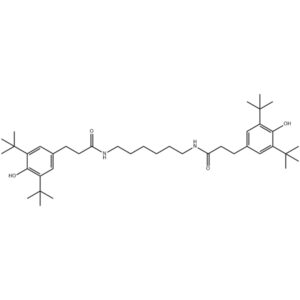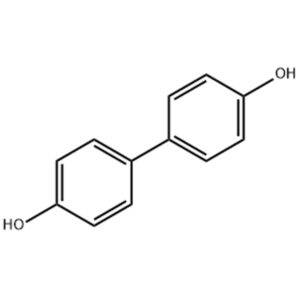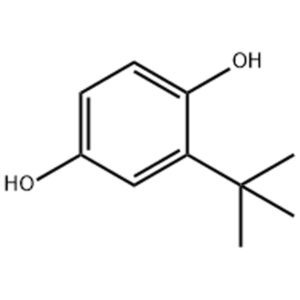
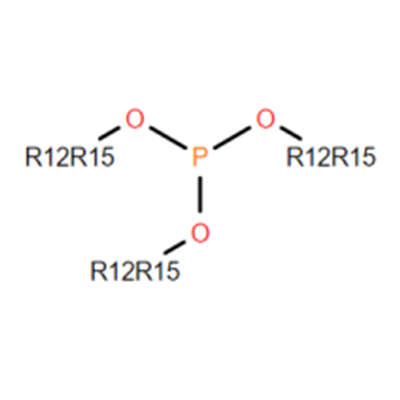
Antioxidant 8627 Application scenarios
1. General Polymer Stabilizer
As a heat stabilizer, it prevents plastics from degrading, discoloring, or experiencing a decline in mechanical properties due to oxidation during high-temperature processing and use. This is its most core and widespread application.
2. Polyvinyl Chloride (PVC) Stabilization System
Used in synergy with metal soap stabilizers (such as cadmium stearate and zinc stearate), it improves the thermal stability of PVC.
Significant synergistic effect: It effectively neutralizes the side effects of metal chlorides and is a common auxiliary stabilizer in PVC formulations.
3. Processing of Polyolefins and Other Plastics
As an auxiliary antioxidant (secondary antioxidant), it is used in combination with primary antioxidants (such as hindered phenols) to provide more comprehensive antioxidant protection.
Recommended use in combination: It is generally not used alone; when combined with a primary antioxidant, it can produce a synergistic effect of “1+1>2,” resulting in better cost-effectiveness.
💡 Usage and Selection Recommendations
Confirm specific product information: “Antioxidant 8627” produced by different manufacturers on the market may vary in purity and specific performance. When selecting an antioxidant, it is recommended to directly request the Technical Data Sheet (TDS) and Material Safety Data Sheet (MSDS) for that batch of products from the supplier to obtain the most accurate dosage recommendations, compatibility, and safety information.
Clarify your application requirements: If you have specific plastic types (such as PP, ABS, PVC, etc.), processing techniques (such as injection molding, extrusion), or end-product performance requirements (such as weather resistance, food contact resistance), please let me know. I can help you further analyze whether this type of antioxidant is suitable and which key indicators need to be monitored.