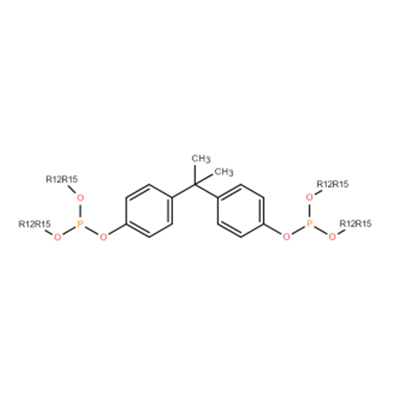
Antioxidant 1500 Application scenarios
1. Synthetic Rubber Industry
This is its core application area. It is mainly used in synthetic rubbers such as butadiene rubber (BR), styrene-butadiene rubber (SBR), ethylene propylene rubber (EPR/EPDM), and nitrile rubber (NBR), as well as thermoplastic elastomers. It effectively prevents aging, stickiness, gelation, or decline in mechanical properties of rubber due to heat and oxygen during processing, storage, and use.
2. Plastics and Polymer Materials
It can be used as a stabilizer for plastics (such as polyolefins), providing processing stability and long-term heat resistance, and delaying oxidative degradation of materials.
3. Adhesives and Sealants
It is used to protect adhesive and sealant systems, preventing performance degradation due to oxidation before and after curing.
4. Lubricating Oils and Greases
It is added to lubricating oils, greases, and synthetic oils to inhibit oil oxidation and deterioration, extending their service life.
💡 Key Features and Advantages
High Efficiency and Environmental Friendliness: It is an environmentally friendly antioxidant, requiring low dosage (typically 0.05%-0.3%), exhibiting excellent antioxidant effects, and can be used in polymer products that come into contact with food.
Synergistic Effect: Its molecular structure contains both hindered phenolic and thioether groups, which produce a synergistic effect, providing excellent antioxidant protection.