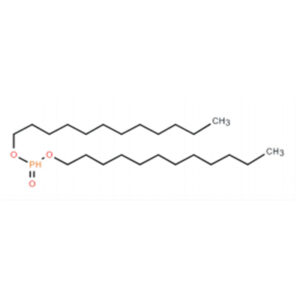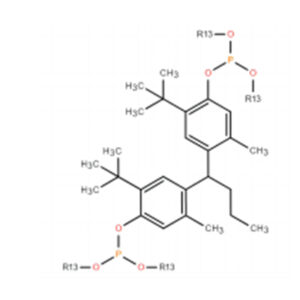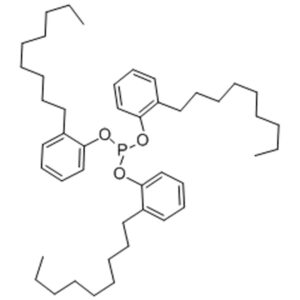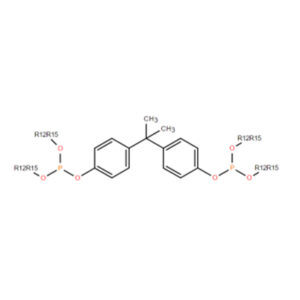
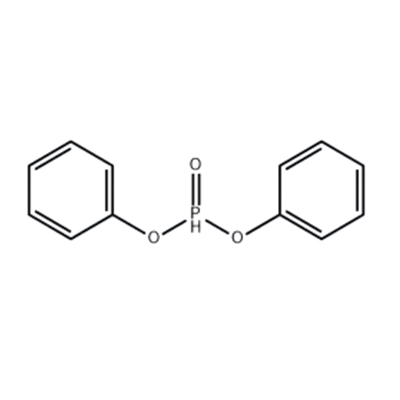
Antioxidant DPP Application scenarios
1. Materials Science
• Polymer (e.g., plastics, resins) Processing and Stabilization
Auxiliary antioxidants and heat stabilizers to prevent thermal oxidative degradation during processing and use.
• Ester-based lubricants, hydraulic oils, etc.
Additives to improve the thermal oxidative stability of oils.
• Synthetic intermediates for flame retardants and plasticizers. Used to manufacture chemicals that improve the flame retardancy and flexibility of materials (e.g., PVC).
2. Chemical Synthesis
• Synthesis of peptide bonds, esters, and amides. As mild coupling agents.
• Synthesis of bioactive molecules such as chiral β-aminophosphates. Participates in asymmetric catalytic reactions (e.g., Michael addition), and is an important building block in medicinal chemistry.
• Synthesis of organophosphorus compounds. Used to prepare various phosphate esters, amine phosphates, and other derivatives.
💡 Core Applications Explained
Among the above applications, its antioxidant stabilizing effect in the materials field and its versatility in chemical synthesis are the most crucial:
Polymer “Protective Shield”: During the processing of polymer materials such as plastics, heat and oxygen can cause molecular chain breakage (degradation), making the material brittle and discolored. DPP’s role is to “scavenger” free radicals that trigger degradation and decompose hydroperoxides generated during polymer processing, thereby synergizing with the main antioxidant to significantly improve the material’s heat resistance, extend its service life, and maintain its appearance.
Versatile Agent in Chemical Synthesis: Due to its unique chemical structure, DPP has a wide range of applications in organic synthesis:
Coupling Reagent: It can efficiently promote the condensation of carboxylic acids and amines to form amide bonds (peptide bonds), serving as a tool for synthesizing peptides and analogues.
Chiral Synthesis Building Block: Under the action of chiral catalysts, it can undergo highly stereoselective addition reactions with nitroolefins to construct biologically active chiral phosphate compounds, which is crucial in drug development.
⚠️ Important Usage Instructions
Main Application Restrictions: According to chemical safety data, this product is for research or industrial use only and cannot be used in clinical, diagnostic, or pharmaceutical manufacturing applications.
Safety and Storage: This substance is sensitive to humidity and should be stored in a tightly closed container at a low temperature of 2-8°C under an inert gas atmosphere (such as nitrogen or argon). Appropriate protective equipment (such as gloves and goggles) must be worn during handling, and good ventilation must be ensured.